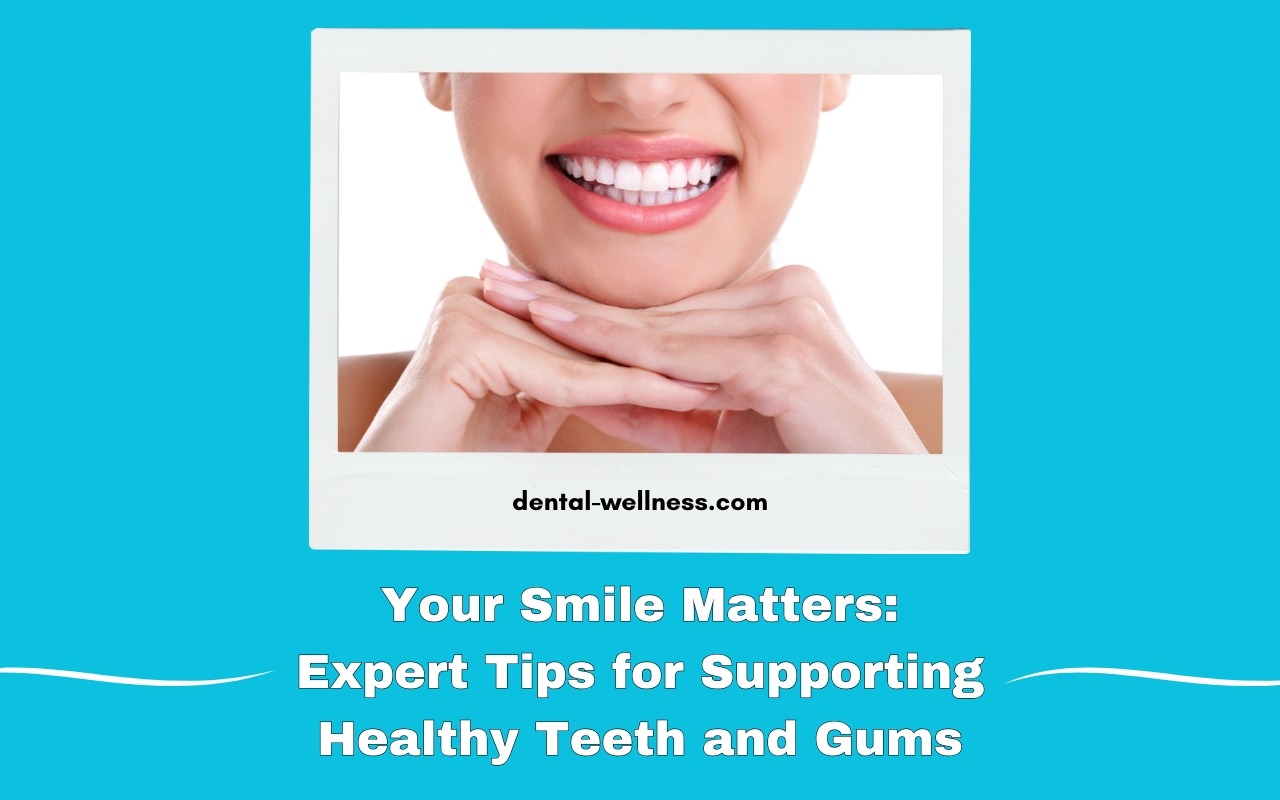
A radiant smile is not just an aesthetic feature; it plays a significant role in our self-image, confidence, and overall health. Maintaining healthy teeth and gums is crucial for not only achieving that bright smile but also for ensuring long-term oral health. Despite the importance of dental care, many people overlook the fundamental practices that support their oral hygiene. This article aims to provide expert insights and actionable tips on how to care for your teeth and gums effectively.
The Foundation of Oral Health: Understanding Your Gums
Gums, or gingiva, may not receive the same attention as teeth, but they are equally important in oral health. Healthy gums act as a protective barrier for the roots of your teeth, keeping bacteria and toxins away from your bloodstream. When gums are healthy, they are firm, pink, and tightly fit around the teeth. Unfortunately, unhealthy gums can lead to periodontal disease, which not only causes tooth loss but is also linked to serious health issues, including heart disease and diabetes.
The journey to healthier gums begins with understanding what constitutes gum disease. Gingivitis, the initial stage of gum disease, is characterized by redness, swelling, and bleeding during brushing or flossing. If left untreated, it can progress to periodontitis, a more severe condition that can destroy gum tissue and bone supporting the teeth. Therefore, recognizing the signs of gum problems early is vital for preventing serious complications in oral health.
Daily Oral Care Routine: The Basics
The importance of a robust daily oral care routine cannot be overstated. Proper brushing and flossing are the cornerstones of this routine. It is recommended to brush your teeth at least twice a day with fluoride toothpaste, which strengthens enamel and helps prevent decay. Use a soft-bristled toothbrush and ensure you brush for at least two minutes. Focus on all surfaces of your teeth—front, back, and chewing surfaces—as well as along the gum line.
Flossing is equally critical as it helps remove plaque and food particles from between your teeth and below the gum line where toothbrushes typically cannot reach. The technique is essential; use about 18 inches of floss, wrapping it around your fingers to allow for easy maneuvering. Gently slide the floss between your teeth, curving it around each tooth and moving it up and down.
Incorporating an antimicrobial mouthwash into your routine can further enhance oral hygiene. This helps to reduce plaque, freshen breath, and promote gum health. Rinsing after brushing and flossing can provide comprehensive coverage against bacteria and plaque buildup.
Nutrition's Role in Gum Health
Your diet profoundly impacts your oral health, especially the health of your gums. Foods rich in vitamins and minerals are crucial for maintaining strong gums and teeth. A balanced diet that includes an abundance of fruits, vegetables, lean proteins, and whole grains can significantly contribute to gum health. Foods high in vitamin C, for example, are particularly beneficial as they assist in the repair and maintenance of gum tissue.
Conversely, diets high in sugar and processed foods can lead to plaque buildup and gum disease. Bacteria in the mouth feed on sugars, producing acids that erode tooth enamel and can lead to decay. Limiting sugary snacks and beverages, and opting for healthier alternatives, can mitigate these risks. Staying hydrated by drinking plenty of water is also essential as it helps wash away food particles and bacteria, contributing to overall oral hygiene.
Moreover, crunchy fruits and vegetables not only provide nutrition but also enhance oral health. Foods like apples, carrots, and celery stimulate saliva production, which is vital for neutralizing acids and maintaining a healthy pH balance in the mouth.
The Impact of Lifestyle Choices
Lifestyle choices can greatly influence gum health. Smoking and tobacco use are significant risk factors for gum disease. The chemicals in tobacco products can hinder blood flow to the gums, making healing more difficult and increasing the risk of infection. If you smoke, quitting is one of the most impactful steps you can take for your dental health and overall well-being.
Additionally, managing stress effectively is crucial for maintaining healthy gums. Chronic stress can weaken your immune system, making it harder for your body to combat infections. Incorporate stress-reduction techniques into your daily routine, such as exercise, meditation, or engaging in hobbies you enjoy. A balanced lifestyle not only benefits your gums but also enhances your overall health.
Regular Dental Check-Ups
While diligent home care is essential, regular visits to your dentist are equally important. Professional dental check-ups allow for early detection of potential issues before they develop into significant problems. Dentists can assess your oral health, clean your teeth, and remove any tartar buildup that brushing or flossing may have missed. Moreover, they can provide personalized advice and treatment options tailored to your specific needs.
It is advisable to schedule dental check-ups at least twice a year. During these visits, communicate openly with your dentist about your oral hygiene practices and any concerns you may have. Your dentist can offer valuable insights and recommendations to help you maintain optimal gum health.
Recognizing the Signs of Gum Disease
Awareness of the symptoms of gum disease is vital for timely intervention. Common signs include bleeding gums when brushing or flossing, swollen or tender gums, persistent bad breath, and a receding gum line. If you observe any of these symptoms, it is crucial to visit your dentist promptly. Taking action early can prevent more severe complications and help restore gum health.
Additional Tips for Supporting Healthy Teeth and Gums
Incorporating a few extra practices into your oral hygiene routine can significantly enhance your efforts in maintaining healthy teeth and gums. Begin with the simple act of cleaning your tongue, which is often neglected. The surface of your tongue can harbor bacteria, contributing to bad breath and impacting overall oral health. Use your toothbrush or a specialized tongue scraper to gently clean your tongue every time you brush your teeth.
Consider using a mouthguard if you play contact sports or if you grind your teeth at night. This protective gear can prevent injuries to your teeth and gums and safeguard them from excessive wear and damage.
Adopting a proactive approach to your oral health is crucial. Stay informed about new developments in dental care and educate yourself on best practices. Knowledge empowers you to make informed decisions about your oral health, ultimately leading to a brighter, healthier smile.
Conclusion: Your Commitment to Oral Health
Your smile is an essential aspect of your identity, influencing how you present yourself to the world. By committing to proper oral hygiene practices, maintaining a balanced diet, making positive lifestyle choices, and attending regular dental check-ups, you can significantly improve the health of your teeth and gums. Remember, a healthy mouth contributes to a healthy body, so take the time to prioritize your oral health.
Incorporating these expert tips into your daily routine may seem daunting at first, but with consistent effort, the benefits will be evident. A commitment to your oral care not only enhances your smile but also boosts your confidence and overall health. Embrace the journey towards optimal dental health, and take pride in your radiant smile.
For additional guidance on maintaining healthy gums and teeth, you may find these resources helpful: Perfect Smiles, Majestic Dentistry, and Dr. Tung's. By embracing these practices, you not only support your oral health but also empower yourself to maintain a confident and healthy smile for years to come.
Leave a Reply
You must be logged in to post a comment.