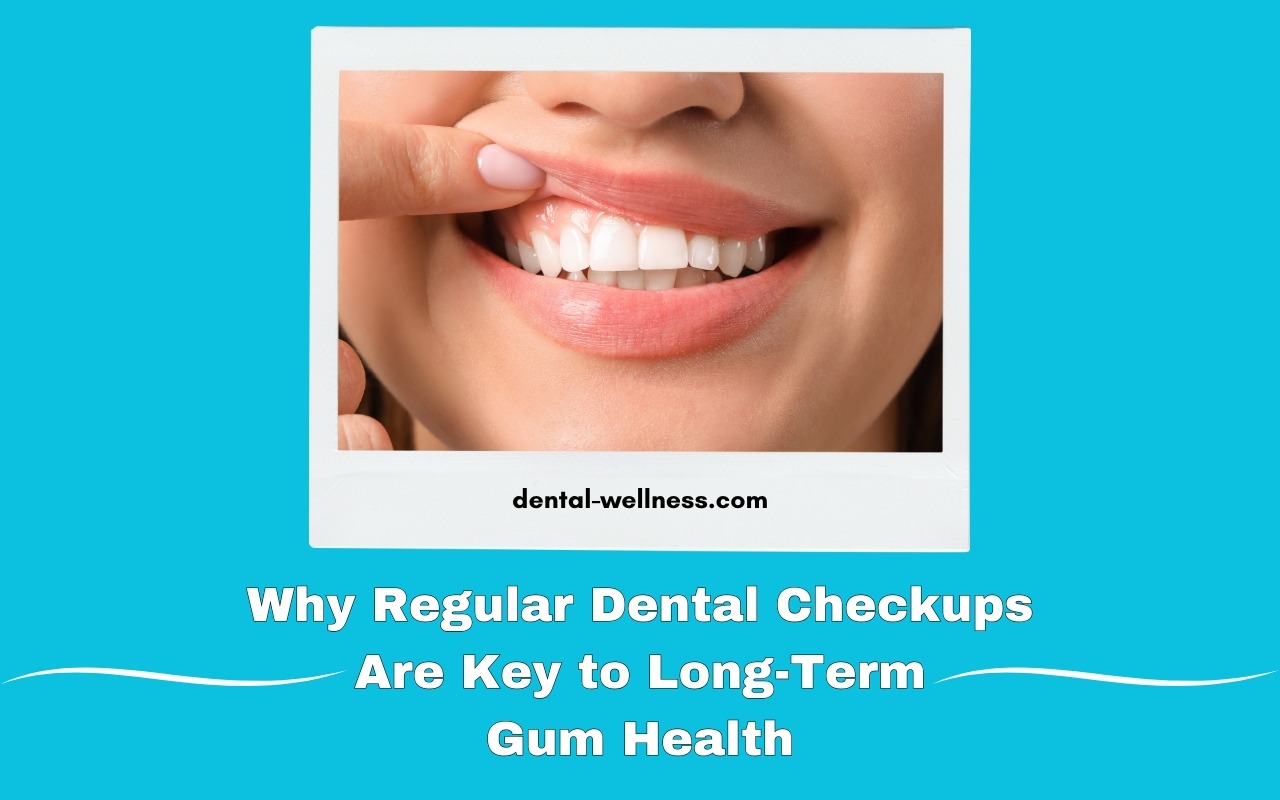
Maintaining optimal gum health is essential for overall well-being, and regular dental checkups play a crucial role in achieving that goal. Many individuals might underestimate the importance of these routine visits, often considering them as mere formalities, but they are far more significant than they appear. Regular dental checkups are an effective means of preventing gum disease and ensuring that any issues are detected early.
As we delve deeper into this topic, we will explore the intricate connection between oral health and overall health, the preventive measures that can be taken to maintain gum health, and the critical role that dental checkups play in this preventive care.
Understanding Gum Health
Gum health is fundamentally about the condition of the tissues surrounding and supporting the teeth. Healthy gums are vital for maintaining dental structures and preventing serious oral diseases, including gum disease, which can lead to tooth loss if left untreated. Gum disease typically starts as gingivitis, characterized by inflammation, redness, and bleeding of the gums. If not addressed, it can progress to periodontitis, a more severe stage where deeper gum tissues are affected, leading to irreversible damage.
The ramifications of poor gum health extend beyond the mouth. Research has shown that there is a significant link between periodontal disease and various systemic conditions such as cardiovascular disease, diabetes, and respiratory infections. In fact, bacteria from gum disease can enter the bloodstream and contribute to the development of these conditions. This correlation underscores the importance of maintaining optimal oral hygiene and the need for consistent preventive care.
The Benefits of Regular Dental Checkups
Regular dental checkups serve as an essential line of defense against gum disease and other oral health issues. These visits are recommended every six months, although individuals with existing dental problems or specific risk factors may require more frequent appointments.
During a typical dental checkup, several critical procedures take place. The dentist will conduct a comprehensive examination of the gums, checking for any signs of disease or inflammation. They will also assess the overall health of the teeth and surrounding tissues, checking for cavities or other structural issues. If necessary, X-rays may be taken to identify problems that are not visible to the naked eye, such as bone loss or impacted teeth.
One of the primary components of a dental checkup is the professional cleaning performed by a dental hygienist. Even with diligent at-home oral care, plaque and tartar can build up in hard-to-reach areas, potentially leading to gum disease if not properly managed. During this cleaning process, the hygienist removes plaque and tartar, polishes the teeth, and often applies fluoride treatments to strengthen tooth enamel. This thorough cleaning is crucial in preventing gum disease and ensuring the long-term health of the gums.
Another vital aspect of regular checkups is the opportunity for personalized care. Dentists can provide tailored advice on maintaining good oral hygiene practices at home, including techniques for effective brushing and flossing, dietary recommendations, and guidance on habits that can contribute to gum health. This personalized approach empowers individuals to take an active role in their dental care, fostering a sense of responsibility for their oral health.
The Importance of Early Detection
One of the most significant advantages of routine dental checkups is the early detection of potential issues. Many dental problems, including gum disease, often develop silently, without noticeable symptoms until they reach advanced stages. Regular checkups allow dentists to identify early signs of gum disease, such as slight inflammation or pockets forming between the teeth and gums.
By catching these issues early, treatment can be less invasive and more effective. For instance, early-stage gum disease may be managed with improved hygiene practices and regular cleanings, potentially reversing the condition. Conversely, if gum disease progresses to a more severe stage, it may necessitate more complex treatments such as scaling and root planing or even surgery in extreme cases to manage the damage.
Additionally, early detection can lead to cost savings. Treating dental problems at their onset is typically less expensive than addressing advanced conditions that require extensive procedures. This aspect underscores the importance of not delaying routine checkups, as investing in preventive care can save both time and money in the long run.
The Role of Gum Health in Overall Well-being
The connection between gum health and overall health cannot be overstated. Numerous studies have illustrated how untreated gum disease can lead to or exacerbate systemic health issues. For example, individuals with diabetes are more susceptible to gum disease, and the presence of periodontal disease can make it more challenging to manage blood sugar levels. Furthermore, research indicates a strong association between gum disease and cardiovascular diseases, highlighting how bacteria from the mouth can contribute to inflammation and the formation of arterial plaque.
Moreover, there is evidence suggesting that maintaining gum health can reduce the risk of respiratory infections. The oral cavity can serve as a pathway for bacteria to enter the lungs, leading to infections like pneumonia. By prioritizing gum health through regular checkups, individuals can significantly lower their risk of developing these serious health conditions.
Investing in regular dental care not only benefits gum health but also reinforces a proactive approach to overall well-being. It encourages individuals to be mindful of their health and take necessary actions to protect themselves from preventable diseases.
Overcoming Barriers to Regular Checkups
Despite the clear benefits of regular dental checkups, many individuals face barriers that prevent them from maintaining consistent dental care. Common obstacles include financial constraints, fear of dental procedures, and a lack of awareness about the importance of oral health.
To overcome financial barriers, many dental practices offer flexible payment plans and accept various insurance options, making it easier for patients to afford regular checkups. Additionally, some community health clinics provide dental services at reduced costs for those in need. It is essential for individuals to explore these options, as prioritizing dental health can have lasting benefits for both oral and overall health.
Fear of dental visits is another significant barrier for many. Dental anxiety can stem from past negative experiences or fear of pain during treatments. Open communication with dental professionals about these fears is vital. Many dentists are trained to work with anxious patients, providing calming techniques and ensuring a comforting environment. Building a trusting relationship with a dentist can make routine visits more manageable and less intimidating.
Lastly, increasing awareness about the importance of oral health can inspire individuals to make dental checkups a priority. Health campaigns and educational initiatives play a crucial role in informing the public about the critical link between oral health and overall health. When individuals understand the consequences of neglecting their dental care, they are more likely to take proactive steps to prioritize their health.
The Long-term Hydration of Oral Health
Long-term hydration is an often-overlooked aspect of maintaining gum health and overall oral hygiene. Staying well-hydrated supports salivary flow, which plays a crucial role in oral health. Saliva is essential for neutralizing acids produced by bacteria in the mouth, washing away food particles, and providing necessary minerals for tooth repair.
Dehydration can lead to dry mouth, a condition that significantly increases the risk of developing cavities and gum disease. Without adequate saliva, the mouth becomes more vulnerable to bacterial growth, leading to issues such as tooth decay and gum inflammation. Encouraging regular water intake and discussing hydration with dental professionals should be part of any comprehensive dental care strategy.
Building a Smarter Oral Care Routine
In addition to regular dental checkups, adopting a smart oral care routine is fundamental to preserving gum health. This routine should include brushing at least twice a day with fluoride toothpaste, flossing daily, and using mouthwash to reduce plaque and bacterial buildup.
Diet also plays a pivotal role in maintaining healthy gums. Incorporating a diet rich in fruits, vegetables, whole grains, lean proteins, and dairy products contributes to overall oral health. Foods high in vitamin C, like oranges and strawberries, can strengthen gum tissues, while calcium-rich foods are beneficial for maintaining strong teeth.
Regular dental checkups should be complemented by these at-home practices to create a comprehensive approach to gum health. Education on proper techniques and the importance of consistency is essential for long-term success.
The Compounding Effects of Consistency
Regular dental checkups yield compounding benefits over time. As individuals commit to consistent visits, they not only improve their gum health but also establish a positive relationship with dental care. This consistency fosters greater awareness of oral hygiene and empowers individuals to take their health seriously.
As checkups become routine, the likelihood of early detection and treatment increases, directly impacting long-term health outcomes. Over time, these small yet significant efforts contribute to a healthier mouth, improved self-confidence, and a reduction in the risk of developing associated systemic conditions.
Conclusion
Regular dental checkups are a cornerstone of maintaining long-term gum health and overall well-being. They provide an opportunity for early detection, professional cleaning, and personalized guidance that empower individuals to take control of their oral health. By overcoming barriers to care and establishing a routine that includes regular visits, individuals can greatly enhance their quality of life. The connection between oral health and overall health is undeniable, making it imperative to prioritize dental checkups as part of a comprehensive health strategy.
Investing in regular dental care not only safeguards your smile but also promotes a healthier life. Make the commitment today to prioritize your oral health through consistent checkups and a proactive approach to dental care. Doing so will not only nourish your gums but will also cultivate a brighter, healthier future.
For further insights on the importance of dental health, you can visit Swish Dental and Keystone Family Dental.
Leave a Reply
You must be logged in to post a comment.