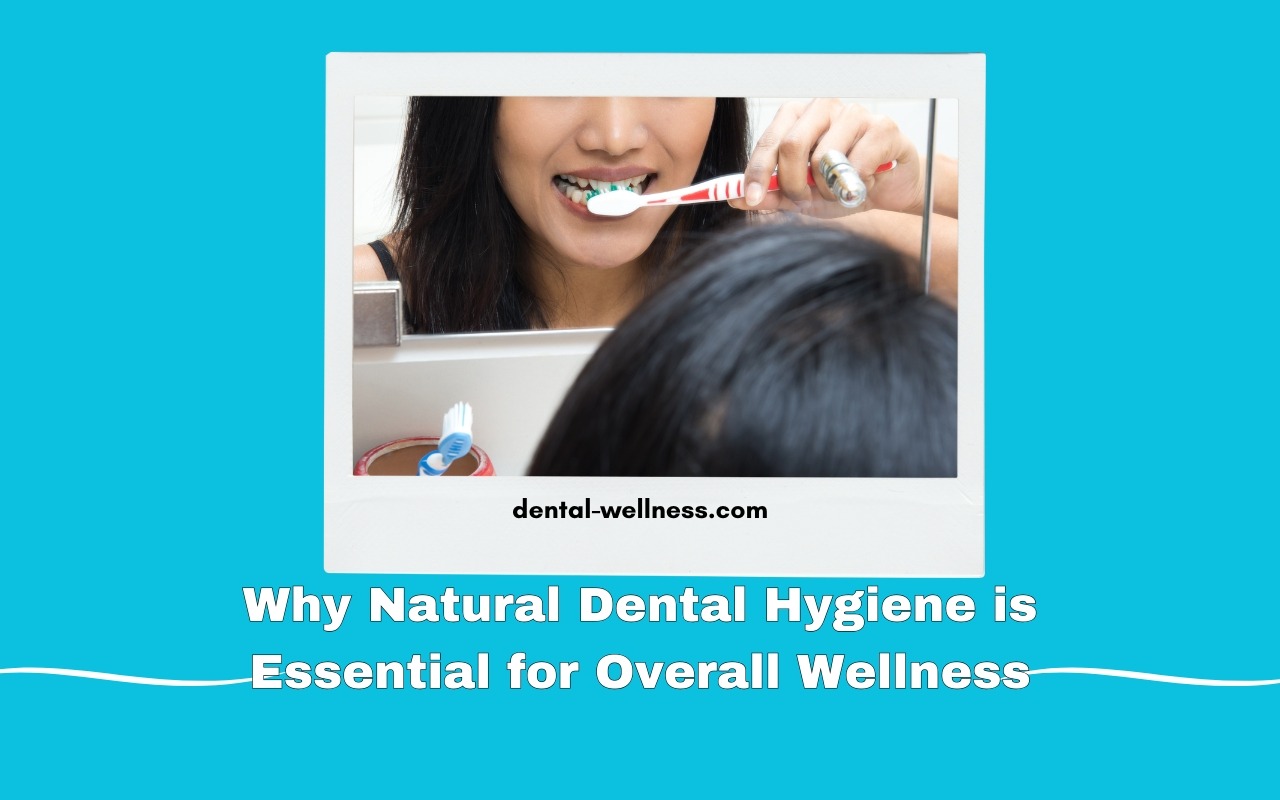
Maintaining optimal oral health is far more than a mere aesthetic concern; it is an integral component of overall wellness. Traditional dental care focuses primarily on the teeth themselves, often overlooking the profound connections between oral hygiene and systemic health. Natural dental hygiene practices emphasize holistic wellness, acknowledging that the mouth serves as a critical gateway to the body. This understanding is essential in preventing chronic diseases and fostering overall well-being.
Oral health has been linked to various systemic conditions, including cardiovascular disease, diabetes, and respiratory infections. The mouth, with its intricate network of tissues and microbes, can influence the health of the entire body. Poor dental hygiene can lead to harmful bacteria entering the bloodstream, contributing to inflammation and exacerbating existing health problems. Thus, adopting natural dental hygiene practices becomes a crucial step toward safeguarding not just your dental health but your overall health as well.
The Mouth-Body Connection
The mouth is a unique environment where bacteria naturally thrive. While many of these bacteria are harmless or even beneficial, poor oral hygiene can lead to an imbalance, favoring harmful bacteria that can contribute to dental issues such as tooth decay and gum disease. Furthermore, when bacteria from the mouth enter the bloodstream, they can travel to other parts of the body, leading to systemic inflammation and chronic diseases.
Studies have shown a clear link between periodontal disease and heart health. Inflammation caused by gum disease can lead to the development of atherosclerosis, a condition characterized by the hardening of arteries, which is a significant risk factor for heart attacks and strokes. Likewise, individuals with diabetes are particularly susceptible to gum disease, creating a cycle where poor oral health exacerbates blood sugar control issues. Understanding this connection highlights the importance of prioritizing natural dental hygiene practices that promote the health of the mouth and the body simultaneously.
The Importance of Natural Dental Hygiene Practices
Natural dental hygiene encompasses a range of practices that prioritize the use of non-toxic, biocompatible materials and holistic approaches to oral care. This includes using fluoride-free toothpaste, natural mouth rinses, and avoiding harsh chemicals that can disrupt the delicate balance of oral microbiota. By embracing these practices, individuals can significantly reduce the risk of developing not only dental issues but also chronic systemic conditions.
Daily habits, such as brushing and flossing, play a foundational role in maintaining oral health. Using a soft-bristled toothbrush along with a natural, fluoride-free toothpaste can effectively remove plaque and food particles without damaging the gums or enamel. Additionally, incorporating regular flossing helps eliminate debris from hard-to-reach areas between the teeth, further preventing gum disease and decay.
Moreover, emphasizing a balanced diet can profoundly impact oral health. Foods rich in vitamins and minerals, particularly those high in calcium and vitamin D, are essential for maintaining strong teeth and healthy gums. Incorporating fresh fruits and vegetables not only provides vital nutrients but also helps stimulate saliva production, which is crucial for neutralizing acids and washing away food particles.
On the contrary, limiting sugary snacks and acidic foods can help prevent cavities and gum disease, as these can contribute to an unhealthy oral environment. By opting for whole foods and reducing processed sugars, individuals can significantly enhance their oral health, impacting overall wellness positively.
The Role of Preventive Care
Preventive care is paramount in both dental hygiene and overall health. Regular dental check-ups allow for the early detection of issues, ensuring that small problems do not escalate into more severe conditions. During these visits, dental professionals can provide personalized advice tailored to individual health needs, integrating preventive measures into comprehensive care plans.
Furthermore, preventive care extends beyond biannual dental visits. It encompasses daily habits, such as mouth rinsing and tongue scraping, that can eliminate harmful bacteria. Using an antimicrobial mouthwash can further reduce the bacterial load in the mouth, complementing brushing and flossing efforts. Similarly, scraping the tongue can remove bacteria and debris, contributing to fresher breath and improved oral health.
By taking a proactive approach to dental hygiene, individuals can not only prevent potential issues but also enhance their overall quality of life. Healthy teeth and gums contribute to better nutrition and greater self-confidence, allowing people to engage more fully in social interactions and daily activities.
Holistic Approaches and Their Benefits
Holistic approaches to dental hygiene emphasize the connection between oral health and overall wellness, integrating lifestyle choices into dental care. This perspective encourages patients to consider factors such as stress management, physical activity, and even sleep hygiene as integral components of oral health.
Stress can negatively impact oral health in numerous ways. Increased stress levels may lead to behaviors such as teeth grinding and jaw clenching, which can contribute to dental wear and temporomandibular joint (TMJ) disorders. Moreover, stress can lead to neglect of oral hygiene practices, creating a cycle that exacerbates both dental and overall health issues. By managing stress through mindfulness practices, regular exercise, and adequate sleep, individuals can foster both oral and systemic wellness.
Physical activity also plays an essential role in maintaining overall health, including dental wellness. Regular exercise can improve circulation, enhancing the delivery of nutrients to oral tissues and supporting the body's healing processes. The connection between physical health and oral health underscores the importance of a comprehensive approach that considers all aspects of well-being.
The Influence of Nutrition on Oral Health
A well-balanced diet is fundamental for not just maintaining strong teeth, but also for preventing diseases that can stem from poor oral hygiene. Nutritional deficiencies can exacerbate dental problems and lead to systemic issues. Vitamins and minerals such as vitamin C, calcium, and phosphorus are particularly crucial for maintaining healthy gums and teeth.
Vitamin C is essential for gum health as it aids in the repair of tissues and serves as an antioxidant, helping to combat inflammation. Foods rich in vitamin C, such as citrus fruits, strawberries, and bell peppers, should be incorporated into the diet regularly. Calcium and phosphorus are vital for overall dental health, promoting strong enamel and reducing the risk of decay. Dairy products, leafy greens, and nuts are excellent sources of these essential nutrients.
Furthermore, hydration plays a critical role in oral health. Adequate water intake supports salivary production, which is necessary for neutralizing acids and washing away food particles. It’s also essential to encourage the consumption of water over sugary beverages, as the latter can significantly increase the risk of cavities and other dental health issues.
Promoting Natural Dental Hygiene Practices
To promote natural dental hygiene practices effectively, education is essential. Informing individuals about the benefits of using natural products, such as baking soda and coconut oil, can empower them to make healthier choices. Baking soda can serve as a gentle abrasive that helps remove surface stains on teeth, while coconut oil is known for its antibacterial properties.
Natural mouth rinses can also be easily made at home using ingredients like salt, baking soda, or essential oils. These alternatives not only reduce exposure to synthetic chemicals but can be equally effective in maintaining oral health.
Moreover, communities can benefit from creating initiatives focused on education and access to natural dental products. By providing resources and workshops, individuals can learn about the importance of combining oral hygiene with overall wellness, fostering a culture that prioritizes health in every aspect of life.
Incorporating these practices into daily routines can transform attitudes toward dental health. When individuals understand the direct impact of their oral care on their overall wellness, they are more likely to commit to healthy habits that last a lifetime.
The Future of Dental Hygiene and Overall Wellness
As the understanding of the connection between oral health and overall wellness continues to grow, the future of dental hygiene will likely shift toward more natural and holistic approaches. Medical professionals are increasingly recognizing the role of the mouth in systemic health, and this awareness will drive new innovations in dental care.
Advancements in technology may lead to the development of more biocompatible materials, enhancing the safety and effectiveness of dental treatments. Furthermore, the integration of nutrition and lifestyle counseling into dental practices will promote a more holistic approach to care.
Educational campaigns focusing on the mouth-body connection can raise awareness about the importance of dental hygiene for overall well-being. By fostering a culture of health that prioritizes prevention and natural care, communities can support individuals in their journey toward optimal health.
In conclusion, natural dental hygiene is essential for achieving overall wellness. The connection between oral health and systemic health cannot be overlooked, as neglecting dental hygiene can lead to serious health complications. By adopting natural practices, prioritizing preventive care, and promoting education, individuals can significantly improve their quality of life. Remember, your smile is not just a reflection of your dental health; it is a gateway to your overall well-being. For more insights on how natural approaches to dental care can enhance your health, consider exploring additional resources such as the comprehensive guides available on CareQuest or Sudbury Dental Arts. Embrace the journey towards optimal health, one brush at a time.
Leave a Reply
You must be logged in to post a comment.