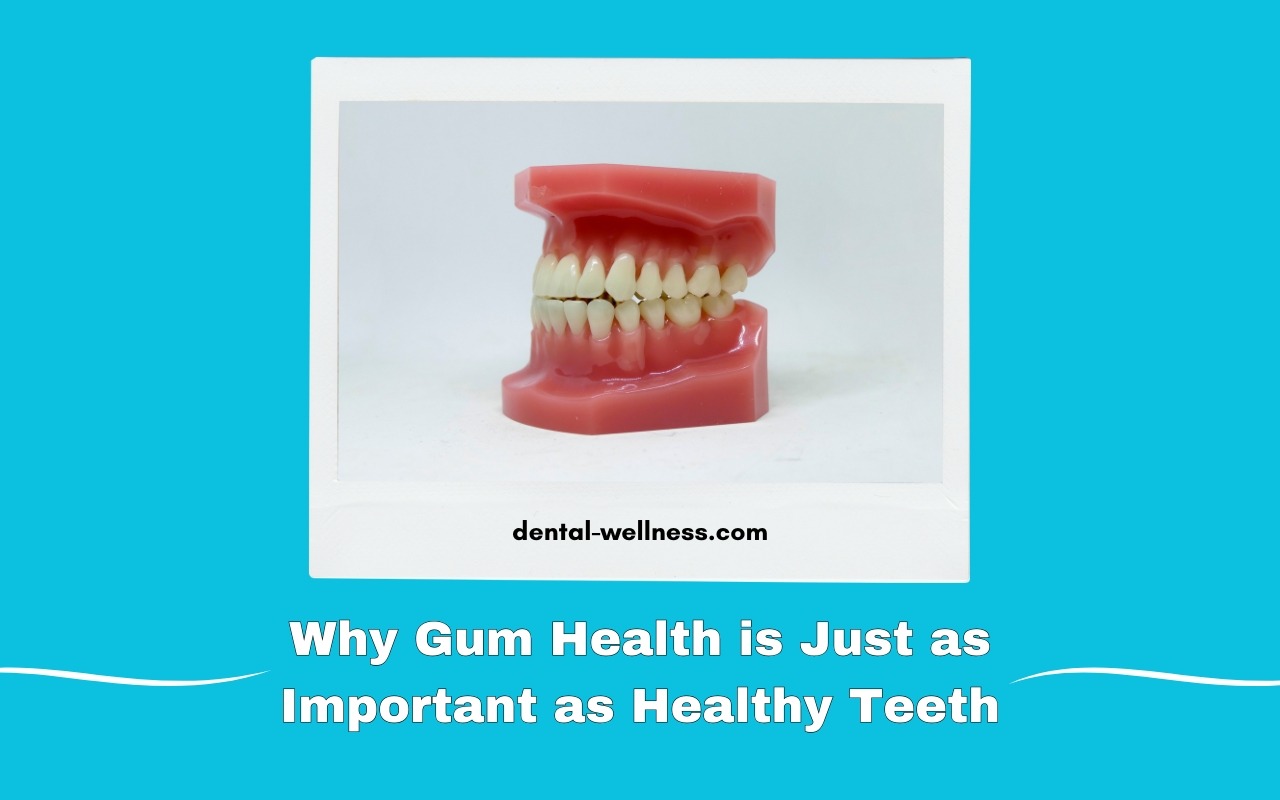
When it comes to oral health, many people focus primarily on their teeth, often overlooking the critical role that gums play in overall dental wellness. Though the pearly whites are essential for a confident smile and functional chewing, the gums serve as the foundational support system for these teeth. Healthy gums are crucial for maintaining not only a beautiful smile but also overall health. This article will explore the significance of gum health, the potential risks of neglecting it, and actionable steps to ensure your gums remain robust and vibrant.
Gums, also known as gingiva, are the soft tissues that surround and support your teeth. They form a protective barrier against bacteria and other harmful substances while also anchoring each tooth in its place. This dual function underscores the importance of gum health; when the gums are healthy, they help prevent tooth loss and maintain structural integrity within the mouth. However, when gum health is compromised, a cascade of issues can arise, affecting oral and systemic health.
The Connection Between Gum Health and Overall Well-Being
Numerous studies have highlighted the associations between gum disease and various systemic conditions. For instance, individuals with gum disease are at a higher risk for cardiovascular problems, such as heart attacks and strokes. Researchers believe that the inflammation caused by gum disease can have far-reaching effects, potentially leading to chronic health issues throughout the body. Similarly, there is a well-established link between diabetes and gum disease, with each condition exacerbating the other. Poor gum health can complicate blood sugar control in diabetic patients, while the inflammation from diabetes can contribute to gum issues.
The implications of gum health extend beyond just systemic risks. For instance, pregnant women with gum disease may face complications such as preterm birth and low birth weight infants. The hormonal changes during pregnancy can make gums more susceptible to infection, emphasizing the need for vigilant oral hygiene during this time. It is evident that caring for your gums is not merely about preserving a bright smile; it is a vital aspect of safeguarding your overall health.
Understanding Gum Disease: Causes and Stages
Gum disease, often referred to as periodontal disease, is a common but preventable condition that starts with the accumulation of plaque. This sticky film of bacteria builds up on teeth and gums, leading to inflammation—known as gingivitis—in its initial stage. Symptoms of gingivitis include swollen, red gums that tend to bleed during brushing or flossing. If caught early, gingivitis can often be reversed with good oral hygiene practices, such as regular brushing and flossing.
However, if gingivitis is left untreated, it can progress to periodontitis, a more severe form of gum disease. Periodontitis occurs when the inflammation spreads deeper into the supporting structures of the teeth, leading to bone loss and potential tooth mobility. Advanced periodontitis can result in significant destruction of the gum tissue and underlying bone, ultimately leading to tooth loss. The ramifications of this disease extend far beyond the mouth, further highlighting the necessity of maintaining gum health.
Signs of Healthy vs. Unhealthy Gums
Recognizing the signs of healthy gums is crucial for effective oral care. Healthy gums are typically firm, pink in color, and fit tightly around the teeth without any spaces. They should not bleed during normal brushing or flossing and should feel snug against the tooth surfaces. On the other hand, signs of unhealthy gums include redness, swelling, and bleeding. Additionally, unhealthy gums may also exhibit a receding appearance, which can expose more of the tooth’s root and increase the risk for decay and sensitivity.
Regular self-examination of your gums is an essential part of maintaining your oral health. By routinely inspecting your gums in the mirror, you can spot early signs of problems and seek the necessary help before conditions worsen. If you notice any unusual changes or discomfort, it is crucial to consult a dental professional as soon as possible.
The Importance of Good Oral Hygiene Practices
Establishing and maintaining effective oral hygiene habits is critical for safeguarding gum health. This includes brushing at least twice a day and flossing daily. Proper technique is vital for ensuring that you effectively remove plaque from both the teeth and the gum line. When brushing, position the toothbrush at a 45-degree angle to the gum line and use gentle, circular motions to clean without causing trauma to the gums.
Flossing is equally important, as it removes plaque and food particles from the spaces between teeth that a toothbrush cannot reach. Daily flossing is essential to prevent plaque buildup, which, if left unchecked, can lead to gingivitis. Additionally, using an antiseptic mouthwash can help reduce bacteria in the mouth, further promoting gum health.
It is also important to limit sugary and acidic foods in your diet, as these can contribute to plaque formation and gum irritation. Maintaining a balanced diet rich in vitamins and minerals—particularly calcium and Vitamin C—can help support healthy gums. Foods like dairy products, leafy greens, and fruits are excellent choices for promoting oral health.
Regular Dental Check-Ups and Professional Cleanings
While maintaining a diligent oral hygiene routine at home is vital, it is equally important to have regular check-ups with your dentist. Professional dental cleanings help remove tartar that cannot be eliminated with brushing and flossing alone. During these visits, your dentist can also monitor your gum health, check for signs of gum disease, and provide personalized recommendations for care.
Most dental professionals recommend visiting the dentist at least twice a year for routine examinations and cleanings. However, individuals with existing gum disease, diabetes, or other conditions may require more frequent visits. These appointments are not just about keeping your teeth clean; they are a critical opportunity to ensure that your gums remain healthy and free from disease.
The Role of Lifestyle Choices in Gum Health
Your lifestyle choices play a significant role in the health of your gums. Smoking, for example, is one of the most significant risk factors for developing gum disease. Tobacco use impairs blood flow to the gums, making it harder for them to heal and increasing susceptibility to infection. Quitting smoking can dramatically improve both gum health and overall well-being.
Stress is another often-overlooked factor in gum health. Chronic stress can weaken the immune system, making it more difficult for the body to fend off infections, including those in the gums. Practicing stress-reduction techniques, such as mindfulness, yoga, or regular exercise, can benefit not only your mental health but also your oral health.
Conclusion: Taking Charge of Your Gum Health
There is no denying that gum health is fundamental to maintaining a healthy mouth and body. By prioritizing the care of your gums, you can protect yourself from a myriad of complications, improve your quality of life, and ensure a beautiful smile for years to come. Start by adopting proper oral hygiene practices, cultivating a healthy lifestyle, and staying vigilant about the signs of gum disease.
Understanding the vital connection between gum health and overall health empowers you to make informed decisions about your oral care. Remember, healthy gums are the bedrock of a healthy smile, so take proactive steps to protect them. Regular dental visits, a balanced diet, and a consistent hygiene routine will pave the way for lasting gum health, enhancing not just your smile but your overall well-being.
For more information on maintaining gum health, consider exploring resources from Healthy Smiles Dentistry or Centre Mall Dentists.
Leave a Reply
You must be logged in to post a comment.