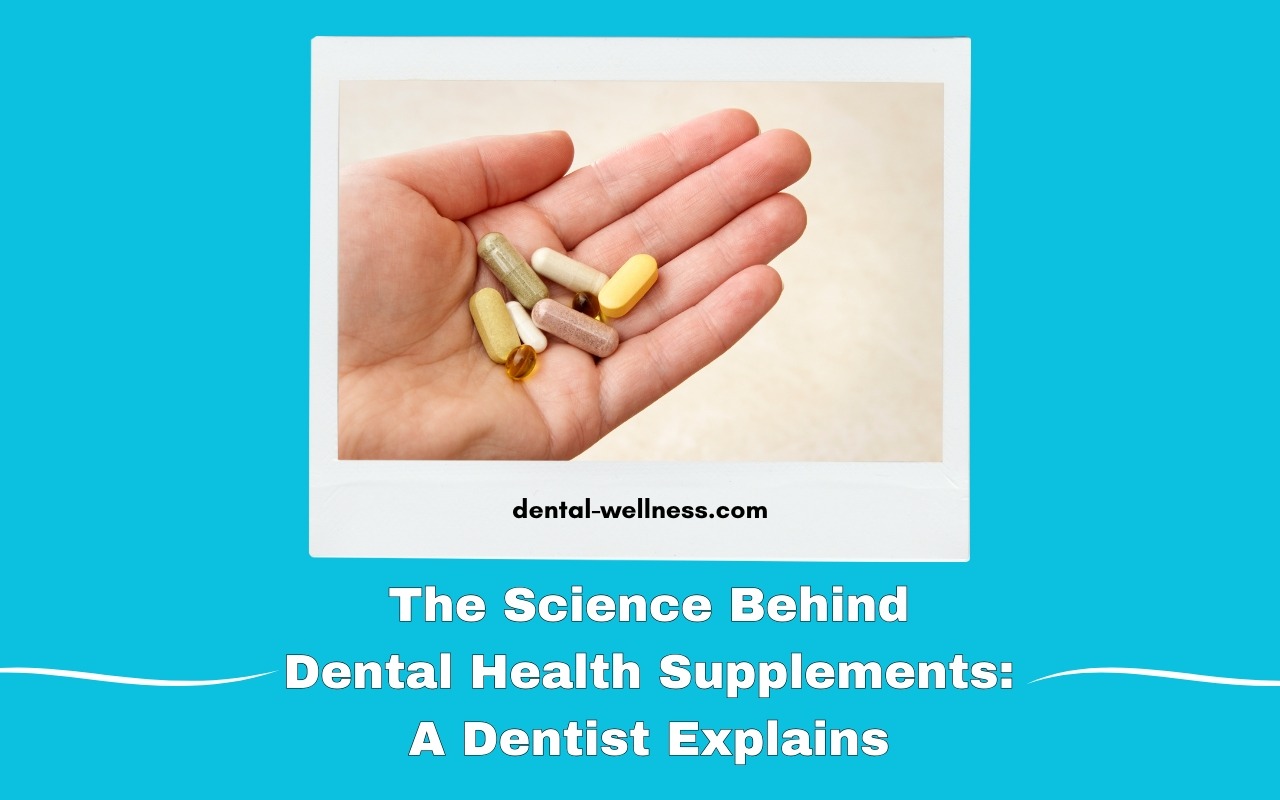
Maintaining optimal dental health extends far beyond regular brushing and flossing; it encompasses a holistic approach that includes nutrition and dietary supplements. As a practicing dentist, I often encounter patients who are eager to improve their oral health but are unsure about the role of dental health supplements. Understanding the science behind these products can empower individuals to make informed decisions that positively impact their dental hygiene and overall well-being. This article delves into the various types of dental health supplements, how they work, their benefits, and considerations for incorporating them into your daily routine.
Dental health supplements come in various forms, including vitamins, minerals, probiotics, and specialized products aiming to enhance oral health. Each type serves a unique purpose, targeting specific aspects of dental care. For instance, vitamins such as calcium, vitamin D, and vitamin C play a crucial role in maintaining strong teeth and healthy gums. Minerals like phosphorus and fluoride help in the remineralization of enamel, while probiotics can balance oral microbiota, potentially reducing the risk of cavities and gum disease.
Understanding the Key Nutrients for Dental Health
Calcium is often hailed as one of the most vital minerals for dental health. It is a primary component of bones and teeth, providing the necessary strength and structure. The body requires calcium to maintain the integrity of tooth enamel, which is the protective layer that guards against decay. A deficiency in calcium can lead to weakened enamel, increasing the risk of cavities. Dairy products such as milk, cheese, and yogurt are excellent sources of calcium. For those who are lactose intolerant or prefer non-dairy options, leafy greens like kale and fortified plant-based milks can provide the necessary calcium intake.
Vitamin D is another critical nutrient that plays a significant role in dental health. It enhances the absorption of calcium in the body, ensuring that adequate levels are maintained for optimal function. Without sufficient vitamin D, the body's ability to utilize calcium diminishes, potentially leading to weaker teeth and bones. Sunlight is a natural source of vitamin D, but it can also be found in foods such as fatty fish, egg yolks, and fortified cereals.
Vitamin C is indispensable for gum health. It facilitates the production of collagen, a protein that helps maintain the structure of gums and connective tissues that support teeth. Insufficient vitamin C can lead to weakened gums, promoting conditions such as gingivitis, which can ultimately escalate to more severe periodontal disease. Citrus fruits, strawberries, bell peppers, and broccoli are rich sources of this vital vitamin.
Fluoride has long been recognized for its ability to strengthen tooth enamel and protect against decay. It works by remineralizing areas of the enamel that have begun to demineralize due to acid exposure from bacteria and foods. Many dental health products, including toothpaste and mouth rinses, are fortified with fluoride. Additionally, fluoridated drinking water can significantly contribute to one’s daily fluoride intake.
Phosphorus works in tandem with calcium to maintain healthy bones and teeth. This mineral is crucial for building and repairing tooth enamel, and it can help neutralize the acids produced by bacteria in the mouth. You can find phosphorus in various foods, including meat, fish, dairy, and nuts.
The Role of Probiotics in Oral Health
Probiotics are live microorganisms that can confer health benefits when consumed in adequate amounts. While commonly associated with gut health, recent studies suggest that probiotics may also play a role in oral health. The oral cavity is home to a diverse microbiome, consisting of numerous bacterial species. An imbalance in this microbiome can lead to oral health issues such as cavities and gum disease.
Certain strains of probiotics, such as Lactobacillus and Bifidobacterium, have demonstrated the ability to inhibit the growth of harmful bacteria in the mouth. By restoring balance to the oral microbiome, probiotics may help reduce plaque formation, prevent cavities, and alleviate symptoms of gum disease. Fermented foods like yogurt and kefir naturally contain these beneficial bacteria, making them excellent additions to a dental health-focused diet.
Specialized Dental Health Supplements: What You Should Know
In addition to traditional vitamins and minerals, there are specialized dental health supplements available on the market. These products are often formulated with a blend of ingredients specifically designed to support oral health. Some common ingredients in dental health supplements include xylitol, which is a natural sugar alcohol that can help prevent cavities by inhibiting the growth of decay-causing bacteria. When consumed, xylitol can help maintain a neutral pH balance in the mouth, reducing acidity and promoting a healthier oral environment.
Another potent ingredient found in dental health supplements is Coenzyme Q10 (CoQ10). This antioxidant plays a role in cellular energy production and may also benefit gum health. Some studies indicate that CoQ10 may help reduce inflammation in the gums and promote overall periodontal health.
Evaluating Dental Health Supplements
When considering dental health supplements, it's essential to evaluate their efficacy, safety, and necessity. Not all supplements are created equal, and the quality can vary significantly between brands. Look for products that have been tested for both purity and potency. Additionally, seek supplements that have been approved by dental or nutritional associations, as these endorsements can be indicators of a reliable product.
It's also crucial to consult with a healthcare professional before starting any new supplement regimen. A dentist or dietitian can help assess your individual needs and recommend appropriate options based on your overall health, dietary habits, and specific oral health concerns. They can also guide you on the correct dosages and potential interactions with any existing medications.
Balancing Supplements with Proper Oral Hygiene
Supplements should not replace traditional oral hygiene practices. Brushing twice a day with fluoride toothpaste, flossing daily, and seeing a dentist regularly are crucial components of maintaining optimal oral health. Rather, dental health supplements should be viewed as an adjunct to a comprehensive oral care regimen.
Incorporating a balanced diet rich in nutrients, staying hydrated, and avoiding excessive sugar consumption will complement the effects of dental health supplements. Foods that require chewing, such as crunchy fruits and vegetables, can naturally clean teeth and stimulate saliva production, further protecting your smile.
The Future of Dental Health Supplements
As research into oral health continues to evolve, the potential for innovative dental health supplements grows. Scientists are investigating the effects of additional compounds such as plant-based extracts and essential oils on oral health. For instance, tea polyphenols found in green and black tea have shown promise in reducing plaque formation and supporting gum health.
Furthermore, with advances in biotechnology, future supplements may be tailored more specifically to individual needs, considering factors such as genetics, lifestyle, and microbiome composition. These personalized approaches could enhance the effectiveness of dental health supplements and help prevent oral diseases before they manifest.
Conclusion
The pursuit of optimal dental health is a multifaceted endeavor that requires a combination of proper oral hygiene, a balanced diet, and the strategic use of dental health supplements. Understanding the science behind these supplements equips individuals with the tools necessary to make informed choices for their oral hygiene. By incorporating essential vitamins, minerals, and probiotics into your diet and prioritizing oral hygiene practices, you can foster a healthier mouth and improve your overall well-being.
As we continue to uncover the intricate relationship between nutrition and dental health, it is clear that a proactive approach can lead to a brighter, healthier smile. For those looking for support, consulting with a dentist or dental care professional is an excellent first step towards achieving optimal oral health. Embrace the journey toward a healthier mouth and a radiant smile by understanding and utilizing the power of dental health supplements.
For more information on enhancing your dental health through proper nutrition, you can explore resources such as Maple Dental Health and UIC College of Dentistry. These platforms provide valuable insights into maintaining a healthy smile and the role of dietary choices in dental care.
Leave a Reply
You must be logged in to post a comment.