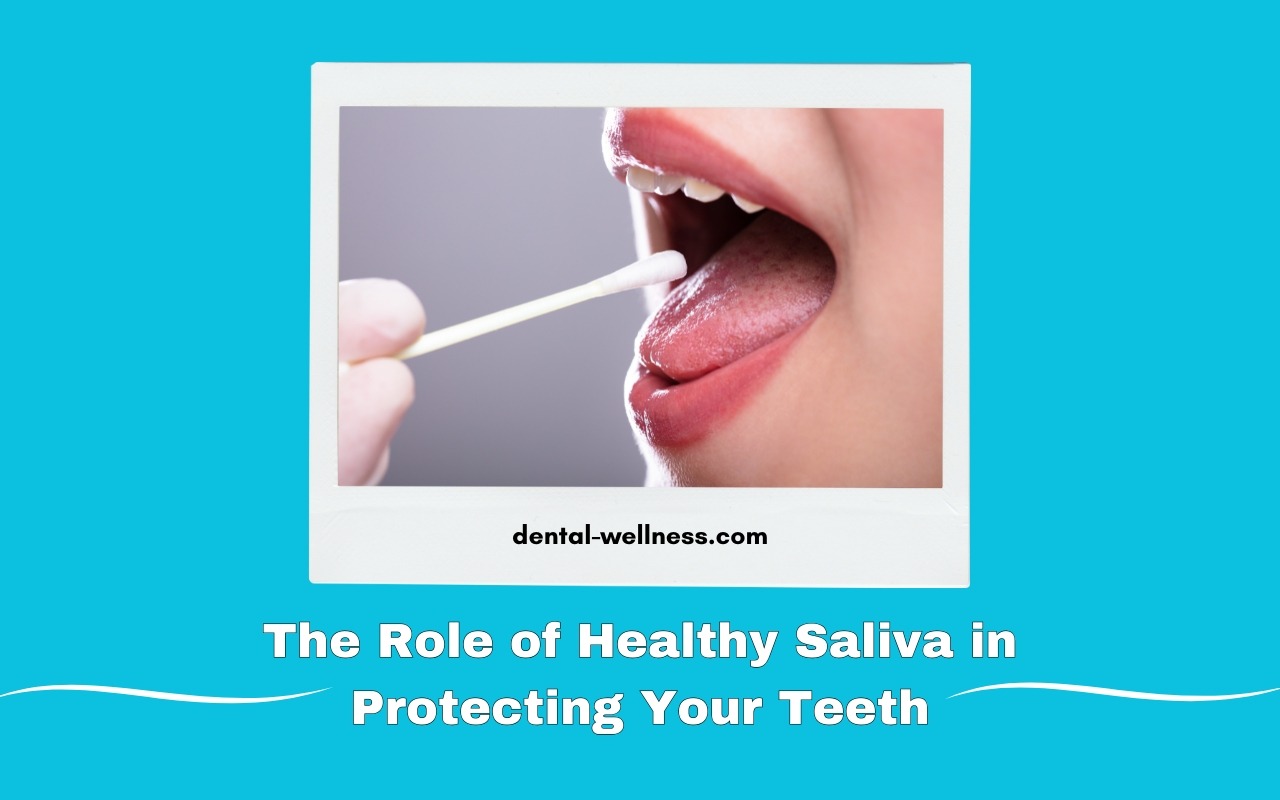
Saliva is often overlooked when discussing oral health, yet it plays a crucial role in maintaining a healthy mouth and preventing dental issues. This clear fluid, produced by salivary glands, serves multiple functions that go beyond merely keeping our mouths moist. Understanding the significance of saliva can empower individuals to take proactive steps towards maintaining their oral health, ultimately leading to a brighter smile and improved overall well-being.
One of saliva’s primary roles is to act as a natural cleanser. It continuously washes away food particles, bacteria, and acids from the surface of the teeth and gums, preventing the buildup of plaque. This process is vital because plaque, a sticky film of bacteria, can lead to tooth decay and gum disease if not consistently removed. Saliva contains antimicrobial compounds that protect against harmful bacteria, significantly decreasing the risk of infections in the mouth and contributing to better gum health.
Saliva also plays a critical role in regulating the pH levels in the mouth. After consuming acidic foods and beverages, the mouth's pH can drop, creating an environment that is conducive to enamel erosion. Saliva neutralizes these acids, restoring a balanced pH and protecting the tooth enamel—the hard, protective layer of the teeth. This buffering action is essential for maintaining the integrity of the teeth and preventing decay.
Furthermore, saliva is rich in minerals such as calcium and phosphates, which are vital for remineralization. This process helps repair early signs of enamel demineralization that occurs due to bacterial activity. When saliva bathes the teeth, it deposits these minerals, effectively reversing damage that can lead to cavities. By continuously supplying necessary nutrients, saliva acts as a guardian of dental health, promoting stronger enamel and healthier teeth.
In addition to its protective functions, saliva is instrumental in the process of digestion. When we eat, saliva contains enzymes such as amylase that begin breaking down food particles right in the mouth. This not only aids in the initial digestion process but also makes it easier for the body to absorb nutrients effectively. Chewing food stimulates saliva production, which is why our mouths feel drier when we are not eating. This natural process highlights the interconnection between saliva, diet, and overall health.
Another crucial aspect of saliva is its ability to promote healing in the mouth. Saliva contains various growth factors and proteins that aid in the healing of oral tissues. If you experience an injury in the mouth, saliva can expedite the healing process by protecting the area and stimulating cell growth. This natural response is particularly beneficial, as it reduces the risk of infections and complications from mouth injuries.
While healthy saliva is essential for optimal oral health, many factors can negatively impact its production. Medications, especially those used for allergies, high blood pressure, or depression, can lead to dry mouth, also known as xerostomia. Aging also contributes to decreased saliva production, increasing the risk of dental problems in older adults. Additionally, lifestyle choices, such as smoking and excessive alcohol consumption, can impair saliva flow, manifesting in various oral health issues.
Recognizing the signs of dry mouth is crucial, as it can lead to serious complications if left unaddressed. Individuals may experience difficulty eating, speaking, and swallowing, as well as an increased risk of cavities and bad breath due to insufficient saliva to wash away food particles and neutralize acids. If dry mouth persists, it is advisable to consult a healthcare professional, as they can provide recommendations tailored to restore saliva production.
Fortunately, there are several strategies that individuals can adopt to promote healthy saliva flow. Staying well-hydrated is one of the most effective ways to maintain saliva production. Drinking plenty of water throughout the day ensures that the body has the necessary fluids to create saliva. Additionally, chewing sugar-free gum can stimulate saliva flow, providing a simple solution for those experiencing dryness. This not only aids in saliva production but also helps cleanse the mouth and freshen breath.
Incorporating foods that naturally stimulate saliva production is another effective approach. Crunchy fruits and vegetables, such as apples, carrots, and celery, not only encourage chewing but also trigger salivary gland activity. These healthy snacks can keep the mouth moist and provide essential nutrients for overall health. Limiting the intake of acidic and sugary foods is also critical, as they can erode enamel and increase the likelihood of cavities.
Regular dental check-ups are paramount for maintaining oral health and addressing any saliva-related issues promptly. Dentists can assess saliva production, check for signs of dry mouth, and recommend treatments or lifestyle changes as needed. Professional cleanings help remove plaque and tartar buildup, ensuring that the protective effects of saliva are not compromised by neglect.
In conclusion, saliva is an unsung hero in the realm of oral health. Its multifaceted role in cleansing, buffering acids, remineralizing teeth, aiding digestion, and promoting healing emphasizes its importance in maintaining a healthy mouth. By taking proactive steps to ensure optimal saliva production and addressing any issues as they arise, individuals can significantly enhance their oral health. Recognizing the power of saliva as a natural defender can motivate individuals to make informed choices about their oral care, leading to healthier teeth and gums and ultimately, a more confident smile.
To learn more about the importance of saliva in oral health, visit Dental Select or explore the insights provided by Beautiful Smiles of NJ. For further reading on maintaining healthy saliva production, check out Midgette Family Dentistry. Embrace the power of saliva and take the necessary steps to protect your teeth for a healthier future.
Leave a Reply
You must be logged in to post a comment.