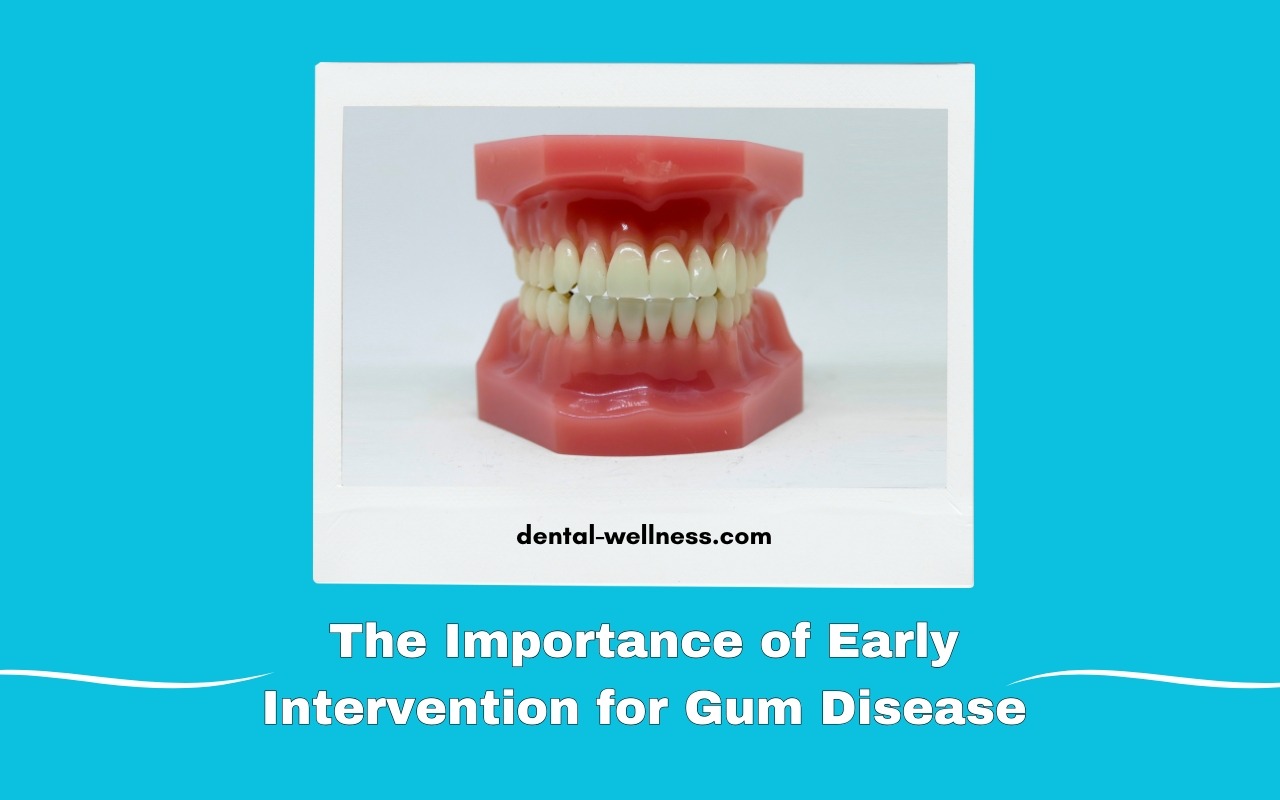
Gum disease, scientifically known as periodontal disease, is a widespread oral health issue that can lead to severe complications if left untreated. It affects millions of people globally and often goes unnoticed until it reaches an advanced stage, causing irreversible damage. Understanding the significance of early intervention is crucial for maintaining not only oral health but overall well-being. This article explores the importance of timely treatment for gum disease, the factors that contribute to its development, and effective preventive measures that can be taken to avert its onset.
Understanding Gum Disease
Gum disease is essentially a bacterial infection that targets the tissues supporting the teeth. It begins with the buildup of plaque, a sticky film of bacteria, on the teeth and gumline. If plaque is not removed through regular brushing and flossing, it can harden into tartar, leading to inflammation of the gums known as gingivitis. Gingivitis is the earliest stage of gum disease and is often reversible with proper dental care and improved oral hygiene practices. However, if left untreated, it can progress to periodontitis, a more severe form of gum disease characterized by the destruction of the supporting structures of the teeth, including bone loss.
The symptoms of gum disease can vary from mild to severe and may include red, swollen, and bleeding gums, persistent bad breath, gum recession, and loose teeth. Many individuals overlook these signs, attributing them to normal aging or minor inconveniences. This oversight can lead to advanced stages of the disease where the damage becomes irreversible, resulting in tooth loss and other serious health complications.
The Consequences of Delaying Treatment
One of the most compelling reasons to seek early intervention for gum disease is the wide array of potential health implications associated with untreated conditions. Research has shown that periodontal disease is linked not only to oral health but also to systemic health issues, including heart disease, diabetes, and respiratory infections. The bacteria from infected gums can enter the bloodstream, leading to inflammation and exacerbating pre-existing health conditions. Thus, recognizing and addressing gum disease in its preliminary stages is critical for preventing more severe complications.
Furthermore, treating gum disease at an early stage can be far less invasive and costly compared to managing advanced stages. Non-surgical treatments such as scaling and root planing—where dentists clean below the gumline and smooth the tooth roots to promote healing—can effectively eliminate the infection and restore gum health. Conversely, advanced gum disease may necessitate surgical interventions, which are not only more complex but also substantially more expensive.
The Role of Regular Dental Check-Ups
Regular dental check-ups are instrumental in the early detection and management of gum disease. These visits allow dental professionals to assess the health of your gums meticulously. Dentists can identify early signs of gingivitis even when patients are unaware of any issues. During these appointments, your dentist cleans your teeth thoroughly, removing plaque and tartar that brushing alone may miss. They also measure the depth of the pockets between your gums and teeth—the deeper the pockets, the more advanced the gum disease may be.
By establishing a routine of biannual dental visits, patients can significantly reduce their risk of developing periodontal disease. These check-ups not only facilitate the early detection of potential problems but also empower individuals to maintain good oral hygiene practices at home.
Educating Yourself and Others
Education plays a vital role in the prevention and management of gum disease. Understanding the risk factors that contribute to the development of this condition can motivate individuals to take proactive steps. Poor oral hygiene practices, smoking, hormonal changes, certain medications, and systemic diseases are all contributing factors to gum disease. By recognizing these risks, individuals can make informed choices about their dental health, such as adopting a rigorous oral hygiene routine and avoiding tobacco products.
Furthermore, establishing good oral hygiene habits in children is essential for ensuring their long-term dental health. Parents should be proactive in teaching their children about proper brushing and flossing techniques and the importance of routine dental visits. Early education fosters healthy habits, reducing the likelihood of encountering serious dental issues later in life.
Lifestyle Changes for Prevention
Lifestyle choices significantly impact oral health. A balanced diet rich in vitamins and minerals supports gum health, while sugary and acidic foods contribute to plaque buildup and gum disease. Consuming a diet abundant in fruits, vegetables, and whole grains not only benefits overall health but also strengthens the immune system, enabling the body to fight off infections.
Staying hydrated is equally important, as saliva production is essential for maintaining oral health. Saliva helps wash away food particles and neutralizes acids produced by bacteria in the mouth. Limiting sugary beverages and alcohol further promotes a healthy oral environment and enhances overall well-being.
Additionally, stress management can play a role in prevention. Stress has been linked to poor oral hygiene and increased risk of gum disease. Incorporating relaxation techniques such as meditation and yoga into your routine can improve both mental health and oral hygiene practices.
Recognizing the Early Signs
Being aware of the early signs of gum disease is crucial for timely intervention. Symptoms such as persistent bad breath, swollen and tender gums, bleeding when brushing or flossing, and receding gums should not be ignored. If any of these symptoms are present, it is imperative to consult a dental professional promptly. Early detection allows for less invasive treatments and a better prognosis for recovery.
For those who find it difficult to maintain a consistent oral hygiene routine, utilizing technology such as app reminders to brush and floss can be beneficial. Moreover, electric toothbrushes equipped with timers and pressure sensors can enhance the effectiveness of home care.
Seeking Professional Help
If gum disease is diagnosed, treatment will vary depending on the severity of the condition. Early stages may require non-surgical treatments, while more advanced cases might necessitate surgical options such as flap surgery or bone grafting. Regardless of the treatment plan, adherence to professional recommendations and maintaining a good home care regimen are essential for successful outcomes.
Dental professionals may also recommend periodic maintenance visits to monitor gum health and prevent recurrence. These follow-up appointments provide an opportunity for ongoing education about good oral hygiene practices and help reinforce the importance of dental care.
The Connection Between Oral Health and Overall Health
The significance of oral health extends beyond the mouth. Studies have established a strong connection between periodontal disease and various systemic health conditions. For instance, individuals with gum disease are at a higher risk for developing cardiovascular diseases and diabetes. This relationship underscores the need for individuals to prioritize their dental care as part of their overall health management strategy.
By fostering a holistic approach to health that includes regular dental visits, maintaining good oral hygiene, and addressing potential issues early, individuals can enhance their quality of life. The health of the mouth is a reflection of the health of the body, and taking proactive steps to ensure good oral health can lead to better overall health outcomes.
Conclusion
In conclusion, early intervention for gum disease is paramount in safeguarding your oral health and overall well-being. The consequences of ignoring gum disease can be severe, affecting not only the mouth but also the entire body. By recognizing the signs of gum disease, seeking regular dental care, and adopting preventive measures, individuals can take control of their oral health.
Educating oneself and others about the risks and implications of gum disease is essential for fostering a culture of proactive dental care. With the right knowledge and practices, the path to maintaining healthy gums and a beautiful smile can be a straightforward and manageable journey. Prioritize your dental health today for a healthier tomorrow.
For more information on gum disease and its implications, consider exploring resources from Synergy Periodontics & Implants and Eastgate Dental Excellence. Understanding periodontal disease is vital in making informed decisions about your oral health. Start today and take the first step towards a brighter, healthier smile.
Leave a Reply
You must be logged in to post a comment.