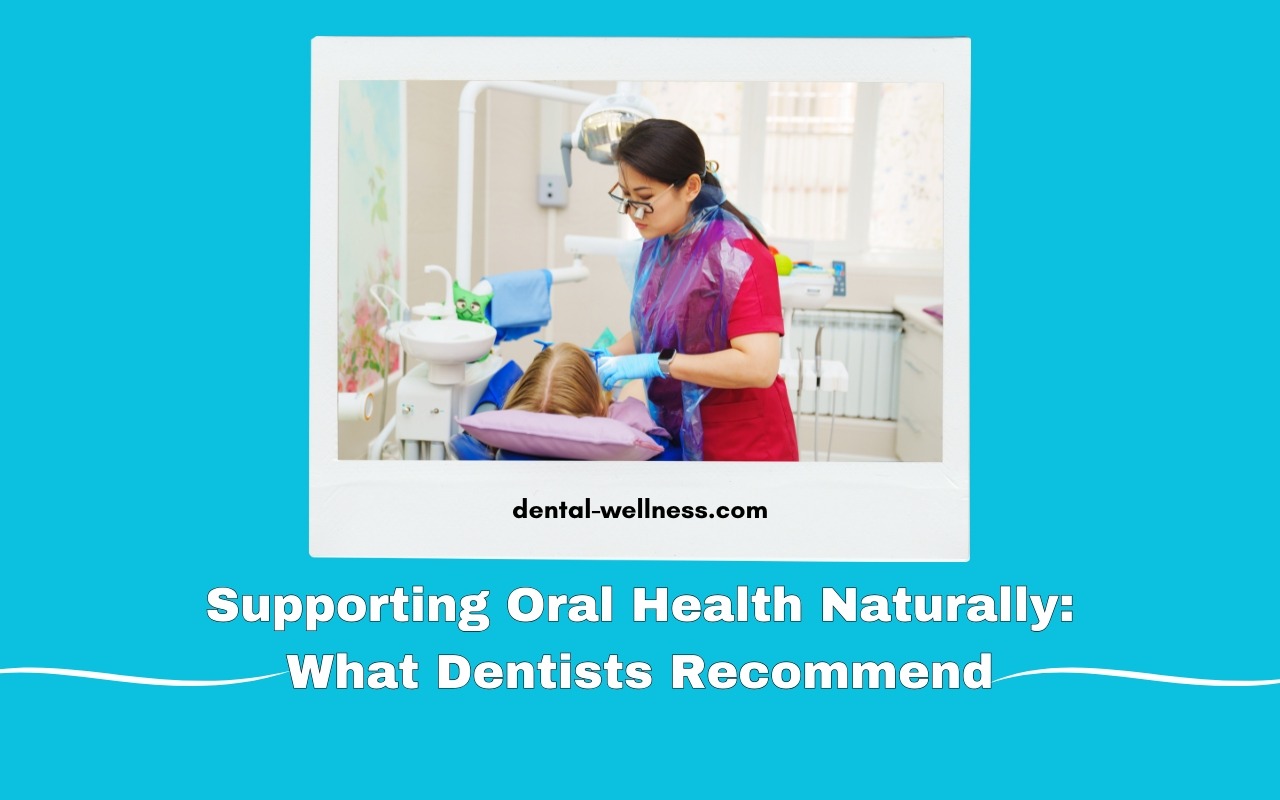
Maintaining optimal oral health is a cornerstone of overall well-being. Many individuals focus primarily on brushing and flossing but overlook the profound effects that nutrition and natural remedies can have on dental health. This article explores the various ways to support oral health naturally, providing insights from dental professionals and highlighting the importance of integrating a holistic approach to your dental care routine.
Understanding the Importance of Oral Health
Oral health does not exist in isolation; it can significantly impact other aspects of health. The mouth serves as a gateway to the body, and conditions in the oral cavity often reflect or influence systemic health. Poor dental hygiene can lead to infections, inflammation, and diseases that may compromise overall health, including conditions such as heart disease, diabetes, and respiratory infections. Therefore, prioritizing oral health is essential not just for a radiant smile but for a healthier body.
A well-rounded oral health routine combines regular visits to the dentist, proper hygiene practices, and wise dietary choices. Dentists often stress the necessity of preventive care and the benefits of natural products. With the rising interest in natural remedies, understanding which options are effective and safe can empower individuals to take charge of their oral health.
Nutritional Foundations for Strong Teeth
The foods we consume play a vital role in shaping oral health. A balanced diet rich in essential nutrients is fundamental for maintaining strong teeth and healthy gums. Incorporating foods abundant in calcium, phosphorus, vitamins D and K, and antioxidants can significantly enhance dental well-being.
Calcium and Phosphorus
Calcium is paramount for the development and maintenance of strong teeth and bones. It reinforces tooth enamel, the outer layer that protects against decay. Foods such as dairy products (milk, cheese, yogurt), leafy greens, almonds, and sesame seeds are excellent sources of calcium. Phosphorus, found in foods like fish, poultry, nuts, and seeds, also contributes significantly by aiding in the remineralization process of tooth enamel.
Vitamin D is equally critical as it facilitates calcium absorption in the body. Without adequate vitamin D, even a calcium-rich diet may not effectively strengthen teeth. Fatty fish, egg yolks, and fortified foods are great sources of vitamin D. Additionally, vitamin K plays a role in bone health, assisting in the proper utilization of calcium within the body. Leafy greens, such as kale and spinach, along with fermented foods, provide these nutrients.
By emphasizing a diet that includes these essential nutrients, individuals can not only enhance their dental health but also fortify their overall physical well-being. This holistic approach aligns well with what many dentists advocate, whereby dietary choices form the foundation of oral health.
Antioxidant-Rich Foods
Antioxidants are potent allies in fighting inflammation caused by bacteria in the mouth, which can lead to gum disease and other oral health issues. Fruits and vegetables such as berries, apples, carrots, and leafy greens are rich in antioxidants. Green tea is another fantastic option due to its anti-inflammatory properties, specifically catechins that help combat oral bacteria responsible for gum disease.
Incorporating a variety of colorful fruits and vegetables into meals not only supports oral health but also contributes to overall nutrition. The fibers in these foods can help clean teeth and gums naturally, further promoting oral hygiene. These dietary choices reflect the recommendations made by dental professionals regarding supportive nutrition for maintaining healthy gums and teeth.
The Role of Proper Hydration
Water is often overlooked as a critical element in oral health. Staying hydrated is essential for maintaining proper saliva production, which plays a crucial role in protecting teeth. Saliva helps wash away food particles and neutralizes acids produced by bacteria in the mouth, thereby reducing the risk of cavities and gum disease. Drinking adequate amounts of water throughout the day not only benefits oral health but also contributes to overall bodily functions.
Moreover, replacing sugary drinks with water is vital. Sugar-laden beverages can lead to tooth decay and other dental issues, as sugars feed harmful bacteria in the mouth. Encouragingly, dental professionals often highlight the importance of water not only for hydration but also for its role in maintaining a healthy oral environment.
Natural Remedies for Enhanced Oral Health
In addition to a balanced diet and hydration, various natural remedies can support oral health. These practices, ranging from traditional techniques to modern findings, are recommended by many dentists as complementary methods to conventional dental care.
Oil Pulling
Oil pulling is an ancient practice that has gained popularity in modern holistic health circles. It involves swishing a tablespoon of oil—typically coconut oil—around the mouth for about 15-20 minutes. This technique is believed to help reduce harmful bacteria, plaque buildup, and inflammation, promoting better oral hygiene. The lauric acid in coconut oil possesses antimicrobial properties that are particularly beneficial for oral health.
While scientific studies on oil pulling are still evolving, many individuals swear by its efficacy in improving gum health and whitening teeth. Dentists often recommend oil pulling as a supplementary practice to daily brushing and flossing, especially for those interested in natural remedies.
Herbal Remedies
Herbs have long been utilized in natural medicine, and several have proven advantages for oral health. Neem, for instance, is known for its antibacterial properties and has been traditionally used in dental care to fight plaque and gum disease. Clove oil, which contains eugenol, offers analgesic and antiseptic benefits, making it effective in reducing toothache pain and inflammation.
Green tea, as mentioned earlier, is not just an antioxidant powerhouse but also contains catechins that combat bacteria and reduce inflammation in the gums. Regular consumption of these herbal remedies, whether through teas, oils, or incorporated into oral hygiene practices, can dramatically enhance oral health.
The Importance of Good Oral Hygiene Practices
While exploring natural health strategies, it is crucial to remember that good oral hygiene practices are the bedrock of dental health. Regular brushing and flossing are essential. Dentists recommend using a soft-bristled toothbrush and fluoride toothpaste to thoroughly clean the teeth, gums, and tongue. The American Dental Association suggests brushing twice a day for two minutes and flossing daily to remove plaque from hard-to-reach areas between teeth.
Additionally, when choosing toothpaste, those seeking natural options should look for products that contain fluoride alternatives, as fluoride is still recognized as critical for preventing cavities. However, some natural toothpastes may lack sufficient fluoride levels, so it is vital to find a balance that meets individual needs.
Flossing, often viewed as a mundane chore, plays a critical role in preventing gum disease by removing debris and plaque that brushing alone cannot reach. Regular flossing prevents the buildup of bacteria, making it an indispensable part of any oral hygiene routine. Dentists frequently remind patients that consistent oral care minimizes the risk of dental problems and supports long-term health.
Integrating Natural and Conventional Approaches
Creating a comprehensive oral health routine often involves integrating both natural and conventional methods. While natural remedies provide beneficial support, conventional practices are crucial for preventing and diagnosing potential issues. Dentists advocate for a balanced approach, emphasizing that natural does not necessarily mean better.
For daily brushing, using a fluoride toothpaste approved by the American Dental Association ensures adequate protection against cavities. Supplementing this with herbal mouthwashes or natural rinses can offer refreshing changes and additional benefits. Natural remedies like essential oils can be added to mouth rinses for antimicrobial effects, but it is essential to ensure they are appropriately diluted to avoid irritation.
Regular dental visits should not be neglected. Professional cleanings and check-ups allow dentists to monitor oral health, perform necessary treatments, and provide personalized recommendations based on individual needs. This combination of natural and conventional approaches empowers individuals to take control of their oral care while receiving expert guidance.
Making Informed Choices
Navigating the world of natural oral health products requires careful consideration. It is essential to read labels and understand the ingredients in various products. Choosing items with minimal processing and recognizable components can ensure the effectiveness and safety of the products used. Opting for reputable brands known for their commitment to quality and responsible sourcing is equally important.
Being aware of marketing claims can prevent individuals from falling into gimmicks that promise miraculous results without scientific backing. Dentists emphasize the significance of making informed choices to ensure that what goes into your mouth is beneficial for your health.
Additionally, consider sustainable choices. Many natural products come in eco-friendly packaging, appealing to environmentally conscious consumers. Beyond personal health, supporting sustainable brands contributes to a healthier planet.
Conclusion: Embracing a Holistic Approach to Oral Health
Supporting oral health naturally is an achievable and rewarding goal. By focusing on nutrition, hydration, natural remedies, and robust hygiene practices, individuals can create a powerful synergy that promotes not only a radiant smile but also overall well-being. As dental professionals recommend, embracing a balanced approach that incorporates both natural methods and scientific principles can lead to optimal oral health.
Investing in oral health is an investment in your overall health. A well-maintained mouth positively affects digestion, confidence, and even social interactions. Therefore, taking the time to evaluate and enhance your oral health routine is a commitment worth making. Explore natural food options, incorporate herbal remedies where appropriate, and stay diligent with hygiene practices. The result will be brighter teeth, healthier gums, and a beautiful smile that can last a lifetime.
For further reading on this topic, consider exploring the following resources:
- Blended Dental Group: Exploring Natural Oral Hygiene Products
- Pure Holistic Dentist: Natural Ways to Strengthen Your Teeth and Improve Oral Health
- Contemporary Family Dentistry: The Role of Nutrition in Dental Health
By prioritizing these practices, you can enjoy the benefits of a healthy mouth and a confident smile for years to come.
Leave a Reply
You must be logged in to post a comment.