Maintaining healthy teeth and gums is essential not only for preserving your smile but also for your overall health. Poor oral hygiene can lead to various dental issues, including cavities, gum disease, and even systemic conditions. Fortunately, there are many natural approaches to dental care that can help you achieve and maintain optimal oral health. This article explores effective strategies for enhancing your dental hygiene naturally, ensuring stronger teeth and healthier gums for a vibrant smile.
Understanding Oral Health
Oral health plays a crucial role in one’s overall well-being. Research has shown that oral diseases can have far-reaching effects on systemic health, contributing to conditions such as heart disease, diabetes, and respiratory infections. The mouth serves as a gateway to the body; thus, maintaining a healthy oral environment is vital to prevent harmful bacteria from entering the bloodstream.
Many factors influence oral health, including diet, hygiene practices, and lifestyle choices. By understanding the intricate relationship between these components, you can take proactive steps to ensure your teeth and gums remain healthy.
Essential Practices for Maintaining Oral Health
1. Establish a Consistent Brushing Routine
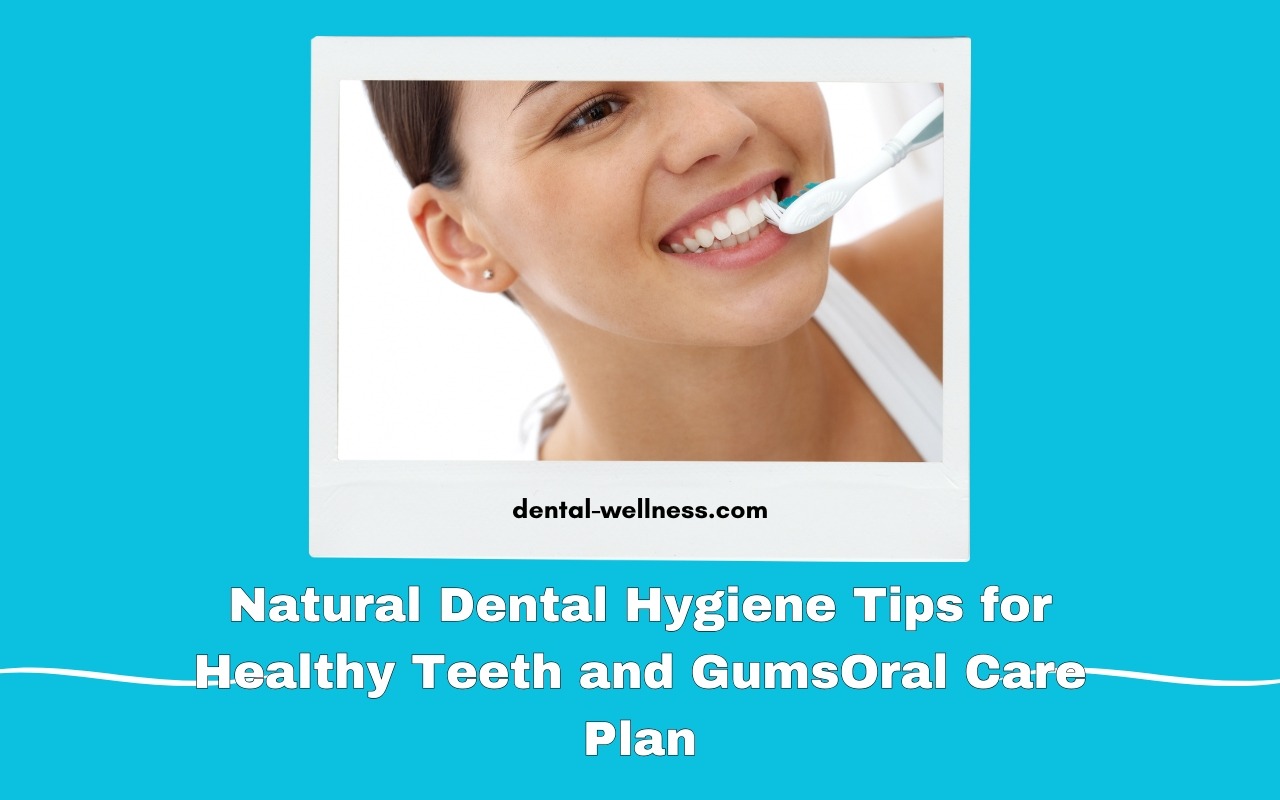
Brushing your teeth is the cornerstone of effective dental hygiene. Aim to brush at least twice a day, ideally using fluoride toothpaste to maximize the protective benefits. Fluoride is a natural mineral that helps to strengthen tooth enamel and prevent decay. When brushing, it's important to use a soft-bristled toothbrush and employ gentle, circular motions. This technique effectively removes plaque and food particles without damaging the delicate gum tissue.
Consider waiting at least 30 minutes after consuming acidic foods or beverages before brushing. This allows tooth enamel, which can be softened by acids, to re-harden, minimizing the risk of enamel erosion. Aim to brush for two minutes each session, making sure to cover all surfaces of your teeth and even your tongue. This not only helps eliminate bacteria but also freshens your breath.
2. Floss Daily
Flossing is an essential component of a comprehensive oral hygiene routine, yet many people neglect it. Flossing removes plaque and food particles from areas that toothbrushes can’t reach, particularly between teeth and along the gum line. Aim to floss at least once a day, preferably before bedtime.
To floss effectively, use about 18 inches of dental floss, wrapping it around your fingers for better control. Gently slide the floss between your teeth, making a C-shape around each tooth to ensure you thoroughly clean the surface and below the gum line. Regular flossing can significantly reduce the risk of gum disease and cavities, promoting healthier gums.
3. Choose the Right Diet
The food you eat directly impacts the health of your teeth and gums. A well-balanced diet rich in essential nutrients supports strong teeth while minimizing the risk of decay. Focus on incorporating a variety of foods that are known to benefit dental health.
- Calcium and Vitamin D: Calcium plays a crucial role in maintaining strong teeth and bones. Incorporate dairy products like yogurt, milk, and cheese, as well as leafy greens and almonds into your diet. Vitamin D is also essential, as it helps the body absorb calcium effectively. Spend time in sunlight to boost your Vitamin D levels naturally.
- Crunchy Fruits and Vegetables: Foods such as apples, carrots, and celery are excellent for oral health. Their fibrous nature helps scrub away plaque while their high water content stimulates saliva production, which neutralizes acids and rinses away food particles.
- Limit Sugary and Acidic Foods: Bacteria in the mouth feed on sugars, converting them into acids that can erode enamel and lead to cavities. Reduce your intake of sugary drinks, candies, and processed snacks. Instead, opt for healthier snacks like nuts and seeds, which can help protect your teeth.
4. Stay Hydrated
Drinking plenty of water throughout the day is not only beneficial for your overall health but is also critical for oral hygiene. Water helps wash away food particles and acids that accumulate in the mouth, reducing the risk of decay and gum disease. It also aids in maintaining healthy saliva production. Saliva is crucial for neutralizing acids and supporting the remineralization of enamel.
In addition, consider incorporating fluoridated water into your routine if available. Fluoridated water can provide an additional layer of protection against tooth decay, supporting the strength and integrity of your teeth.
5. Utilize Natural Mouth Rinses
Natural mouth rinses can enhance your oral hygiene routine by providing additional antibacterial properties. One effective option is to use a mixture of warm water and Himalayan salt. Mix half a teaspoon of Himalayan salt with a cup of warm water and swish it around your mouth for 30 seconds to reduce inflammation and promote a healthy oral flora. This rinse can help maintain the balance of bacteria in the mouth, making it a beneficial addition to your oral care regimen.
Another excellent choice is a mixture of baking soda and water. Baking soda is a natural abrasive that can help remove surface stains and neutralize acids in the mouth. However, avoid overusing it, as excessive abrasion can wear down enamel.
6. Oil Pulling
Oil pulling is an ancient Ayurvedic practice that involves swishing oil in your mouth to promote oral health. Coconut oil is commonly used because of its antibacterial properties. Swish one tablespoon of coconut oil in your mouth for about 15-20 minutes before spitting it out. This practice is believed to help remove toxins, reduce plaque, and promote healthier gums.
While oil pulling should not replace regular brushing and flossing, it can serve as a supplementary method for enhancing your oral hygiene routine.
7. Chew Sugar-Free Gum
Chewing sugar-free gum after meals is another effective strategy for promoting oral health. Sugar-free gum stimulates saliva production, which helps wash away food particles and neutralizes acids in the mouth. Look for products containing xylitol, a natural sweetener that has been shown to reduce the risk of cavities by inhibiting the growth of harmful bacteria.
8. Avoid Tobacco Products
Tobacco use can severely impact oral health, leading to discolored teeth, gum disease, and an increased risk of oral cancer. Quitting tobacco is one of the most beneficial steps you can take for your oral hygiene. If you're struggling to quit, consider seeking support from health professionals or support groups to help you navigate the process.
9. Maintain Regular Dental Checkups
Even with a diligent home care routine, it’s essential to visit your dentist regularly for professional cleanings and checkups. Dental professionals can identify potential issues before they become serious, providing necessary treatments to maintain your oral health. During these visits, your dentist can also offer tailored advice on improving your dental care routine based on your specific needs.
The Connection Between Oral Health and Overall Wellness
Research has increasingly highlighted the connection between oral health and general health. Gum disease has been linked to a variety of systemic conditions, including cardiovascular disease, diabetes, and respiratory infections. Maintaining good oral hygiene not only protects your teeth and gums but also supports your overall well-being.
For instance, individuals with diabetes are at a higher risk for gum disease, and conversely, gum disease can impact blood sugar control. By prioritizing your oral hygiene, you can mitigate these risks and enhance your quality of life.
In addition, poor oral health can adversely affect self-esteem and confidence. Many people feel embarrassed about their smiles, which can hinder social interactions and lead to anxiety. By adopting natural dental hygiene practices, you can improve your dental health and, consequently, your self-image.
Motivating Yourself for Better Oral Hygiene
Establishing a consistent dental hygiene routine may seem daunting, but it can be a rewarding experience. Here are some tips to help motivate yourself toward better oral health:
- Set Realistic Goals: Start by setting achievable goals, such as flossing daily or cutting back on sugary snacks. Gradually incorporate additional practices into your routine as you become more comfortable.
- Track Your Progress: Keeping a dental hygiene journal can help you track your daily habits and accomplishments. Documenting your progress can serve as a motivational tool and help you stay accountable.
- Educate Yourself: The more you know about the benefits of good oral hygiene, the more motivated you may feel to maintain your routine. Read articles or watch videos about oral health to reinforce the importance of your efforts.
- Make It Enjoyable: Experiment with different dental care products, such as flavored toothpaste or eco-friendly toothbrushes, to find what works best for you. Consider playing music or podcasts while you brush to make the experience more enjoyable.
Conclusion
Maintaining healthy teeth and gums is crucial for overall health and wellness. By following these natural dental hygiene tips, you can enhance your oral care routine and promote a radiant smile. Remember, consistency is key. With dedication and the right practices in place, you can achieve long-lasting oral health, allowing you to enjoy life with confidence.
For more information on dental hygiene practices, consider visiting reputable resources such as Taylor View Dental for tips and advice. Embrace a proactive approach to your oral health, and let your smile shine brightly.
Leave a Reply
You must be logged in to post a comment.