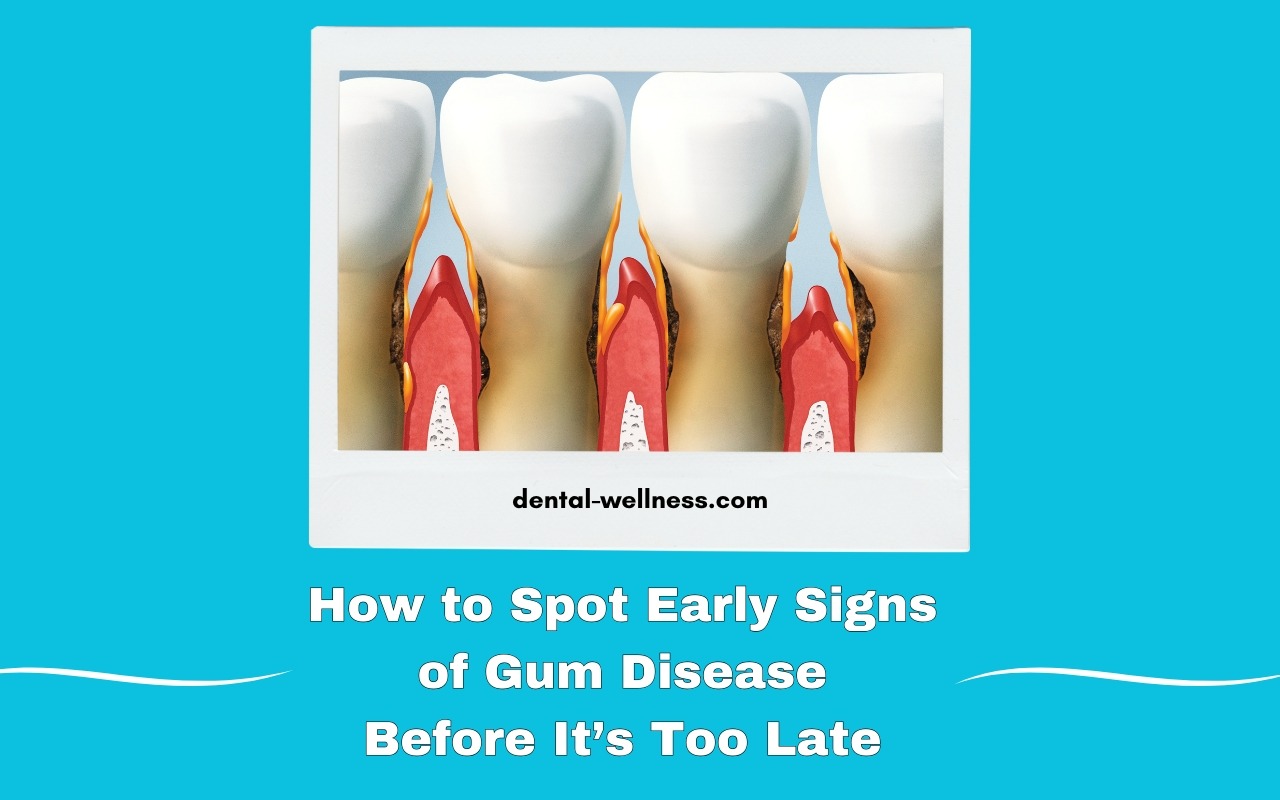
Gum disease, also known as periodontal disease, is a serious dental condition that affects millions of people around the world. It begins with gingivitis, characterized by inflammation of the gums, and can progress to more severe forms, leading to tooth loss and other health complications if left untreated. The good news is that recognizing the early signs of gum disease can help you take action before it becomes a significant problem. In this comprehensive guide, we will explore the symptoms, causes, and preventive measures associated with gum disease, as well as the importance of maintaining good oral hygiene.
One of the most insidious aspects of gum disease is its ability to progress without noticeable symptoms. Many individuals do not realize they have a problem until it is too late, which is why regular dental checkups and a proactive approach to oral health are essential. Understanding what to look for can empower you to take charge of your dental health and avoid severe consequences.
Understanding Gum Disease
Gum disease occurs when the tissues surrounding the teeth become inflamed due to the buildup of bacteria in plaque. If plaque is not removed through regular brushing and flossing, it hardens into tartar, which can lead to infection and inflammation of the gums. There are two primary stages of gum disease: gingivitis and periodontitis.
Gingivitis is the earliest stage and is reversible with proper oral hygiene. Symptoms include red, swollen gums that bleed when brushing or flossing. If gingivitis is not addressed, it can progress to periodontitis, a more severe condition characterized by deeper gum infection, damage to the bone that supports the teeth, and ultimately tooth loss.
The link between gum disease and overall health should not be underestimated. Research has shown that periodontal disease is associated with a variety of systemic health issues, including heart disease, diabetes, respiratory diseases, and complications during pregnancy. Therefore, maintaining healthy gums is crucial not only for oral health but for overall well-being.
Common Early Signs of Gum Disease
Spotting gum disease early can make a significant difference in the treatment outcome. Here are some of the most common early signs to watch for:
- Bleeding Gums: One of the most evident early signs of gum disease is bleeding gums. If you notice blood on your toothbrush or dental floss, or if your gums bleed when eating hard foods, it could indicate gingivitis. Healthy gums should not bleed.
- Swollen and Red Gums: Gums that are inflamed and appear red rather than a healthy pink may be a sign of gum disease. Swelling often accompanies redness, indicating that the body is responding to infection.
- Bad Breath: Persistent bad breath, or halitosis, can be more than just a sign of poor dental hygiene; it can indicate an underlying gum infection. The bacteria causing gum disease produce toxins that can contribute to bad breath.
- Receding Gums: If your gums appear to be pulling away from your teeth, exposing more of the tooth surface, this is a significant sign of gum disease. Receding gums can lead to increased sensitivity and a higher risk of cavities.
- Loose Teeth: Advanced gum disease can result in loose or shifting teeth, as the supporting bone and connective tissue are damaged. If you notice that your teeth feel less stable than they used to, it is crucial to seek dental advice immediately.
- Pus Between the Teeth and Gums: The presence of pus is a clear sign of infection and should not be ignored. This symptom indicates that the body is fighting bacteria and requires professional dental treatment.
- Changes in Bite: If you experience changes in how your teeth fit together when biting, it might be due to the shifting of teeth caused by periodontal disease. This alteration in bite can affect chewing and overall dental function.
Risk Factors for Gum Disease
Understanding the risk factors that contribute to gum disease can help you take preventive measures. Some of the most common risk factors include:
- Poor Oral Hygiene: Inadequate brushing and flossing allow plaque to buildup, leading to gum disease. A consistent oral hygiene routine is essential for maintaining gum health.
- Smoking or Tobacco Use: Tobacco products reduce blood flow to the gums and impair healing, making it easier for gum disease to develop.
- Genetics: A family history of gum disease can increase your risk. If you have relatives who have struggled with periodontal issues, you may be at a higher risk.
- Diabetes: Individuals with diabetes are at a greater risk of developing gum disease due to their body's reduced ability to fight infections.
- Certain Medications: Some medications can cause dry mouth, leading to increased plaque formation and a higher likelihood of gum disease.
- Hormonal Changes: Hormonal fluctuations during puberty, menstruation, pregnancy, and menopause can increase gum sensitivity and vulnerability to infection.
- Chronic Stress: Stress can affect the body’s immune response, making it more difficult to combat infections, including those affecting the gums.
The Importance of Regular Dental Checkups
Regular dental visits play a critical role in preventing and identifying gum disease early. Dentists have the tools and expertise to detect issues that may not be visible to the untrained eye. During a dental checkup, your dentist will:
- Check for Signs of Gum Disease: This includes examining the gums for signs of redness, swelling, and bleeding, as well as measuring pocket depths between the teeth and gums.
- Perform Professional Cleanings: Dental cleanings remove plaque and tartar that may have accumulated despite regular brushing and flossing. This is essential for preventing gum disease.
- Take X-rays: X-rays can help identify bone loss associated with periodontal disease, providing a comprehensive view of your oral health.
- Provide Customized Advice: Your dentist can offer tailored recommendations for improving your oral hygiene routine and discuss any risk factors that may affect your gum health.
It is generally recommended to visit the dentist at least twice a year for routine checkups and cleanings. However, individuals at a higher risk for gum disease may need more frequent visits.
Preventing Gum Disease
Prevention is always better than cure, and this is especially true when it comes to gum disease. Here are several strategies to help maintain healthy gums:
- Practice Good Oral Hygiene: Brush your teeth at least twice a day for two minutes each time, using fluoride toothpaste. Don’t forget to floss daily to remove plaque and food particles from between your teeth.
- Eat a Balanced Diet: A diet rich in vitamins and minerals, particularly vitamin C, can help maintain gum health. Foods like fruits, vegetables, whole grains, and lean proteins support overall health and reduce inflammation.
- Avoid Tobacco: Quitting smoking or using tobacco products can significantly decrease your risk of gum disease. There are numerous resources available to help you quit if you need assistance.
- Stay Hydrated: Drinking plenty of water helps to keep your mouth moist and aids in washing away food particles and bacteria.
- Manage Stress: Finding healthy ways to cope with stress can improve your immune system and help your body fight infections. Consider practices like yoga, meditation, or regular physical exercise.
- Regular Dental Visits: As previously mentioned, consistent dental checkups and cleanings are critical in preventing gum disease and managing your oral health.
- Be Aware of Symptoms: Educating yourself about the signs of gum disease allows for early detection and treatment, which is vital for preventing more serious issues.
When to See a Dentist
While you should maintain a regular dental appointment schedule, it is equally important to pay attention to any signs or symptoms that may indicate gum disease. If you experience any of the following, you should seek dental attention promptly:
- Persistent bleeding during brushing or flossing
- Gums that are swollen, red, or painful
- Increased sensitivity or pain while chewing
- Noticeable changes in the alignment of your teeth
- Bad breath that does not improve with hygiene practices
Early intervention is crucial in preventing the progression of gum disease. If you suspect that you may have developed symptoms, do not hesitate to contact your dentist.
Treatment Options for Gum Disease
If gum disease is diagnosed, your dentist will discuss the best course of treatment based on the severity of the condition. Treatment options may include:
- Scaling and Root Planing: This deep cleaning procedure involves removing plaque and tartar from below the gumline and smoothing rough spots on the tooth roots. It is often the first step in treating gum disease.
- Antibiotics: In some cases, your dentist may prescribe antibiotics to help control bacterial infection and inflammation.
- Surgical Treatments: If gum disease has progressed significantly, more advanced treatments may be necessary. These can include flap surgery to reduce the size of gum pockets or bone grafts to restore lost bone structure.
- Ongoing Maintenance Care: After initial treatment, ongoing care is essential to prevent recurrence. Regular dental cleanings and an effective oral hygiene routine are critical.
Conclusion
Awareness and education are key components in the battle against gum disease. By understanding the early signs and symptoms, you can take proactive steps to maintain your oral health and prevent serious complications. Remember, healthy gums are vital not only for maintaining a beautiful smile but for overall health as well. Don't wait until it’s too late; prioritize your dental hygiene, keep an eye out for warning signs, and make regular dental visits part of your routine.
If you suspect you might have gum disease or have any questions about your oral health, reach out to your dentist. Taking action now can ensure your smile stays healthy for years to come. Remember, a commitment to good oral hygiene is a commitment to your overall health.
For more information on periodontal disease and its connection to systemic health, you may find these resources helpful: Brilliant Smiles Dentistry, MAC Family Dentistry.
Leave a Reply
You must be logged in to post a comment.