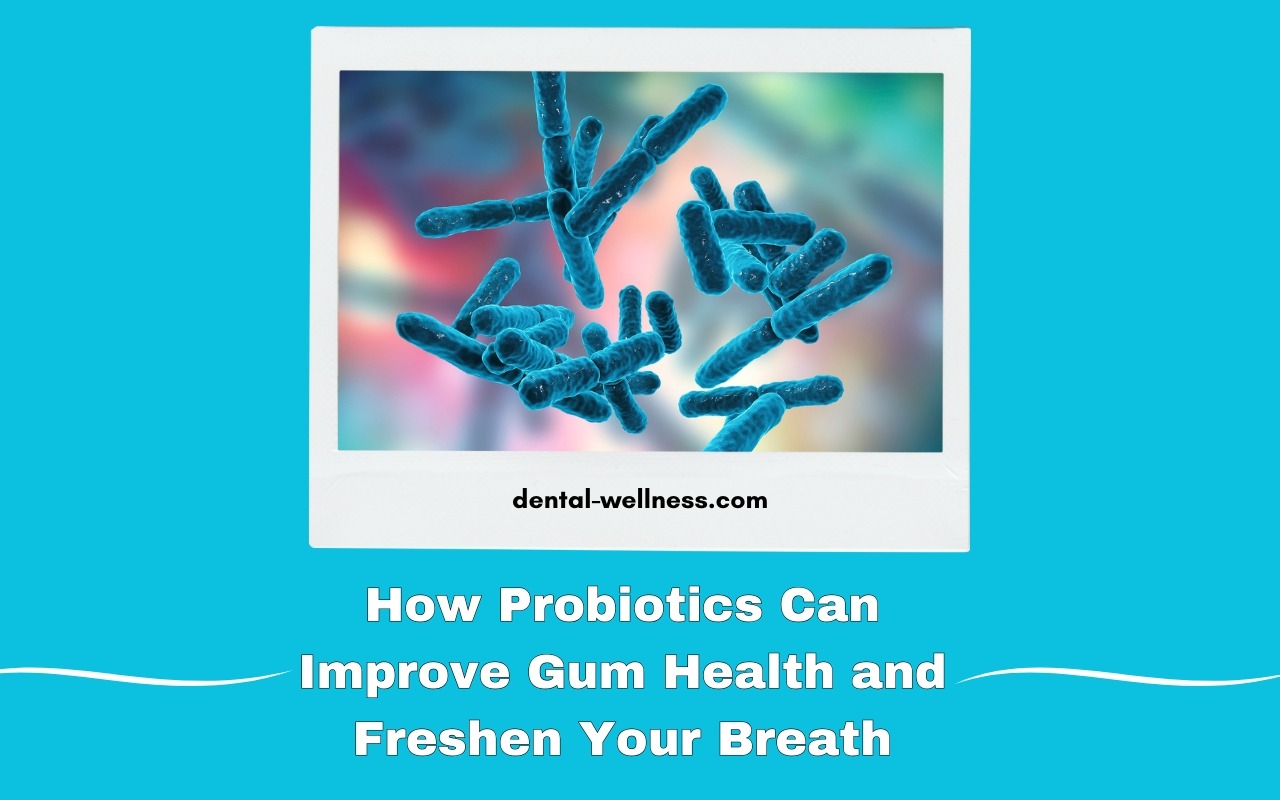
Probiotics have gained significant attention in recent years, primarily for their role in gut health. However, mounting evidence indicates that these beneficial microorganisms can also contribute to oral health, particularly in enhancing gum health and combating bad breath. By understanding how probiotics function within the oral microbiome, individuals can take actionable steps toward better dental hygiene and overall well-being.
The oral microbiome is a complex ecosystem made up of trillions of microorganisms, including bacteria, fungi, and viruses. This ecosystem is crucial for maintaining oral health, as it aids in digestion and protects the mouth against harmful pathogens. A balanced microbiome helps stave off oral diseases, including gum disease and halitosis (bad breath), which can arise when harmful bacteria outnumber beneficial ones.
The Role of Probiotics in Oral Health
Probiotics are live microorganisms that, when consumed in adequate amounts, confer health benefits to the host. They are often referred to as “good bacteria” due to their capacity to restore balance within the microbiome. When it comes to oral health, specific strains of probiotics can significantly impact gum health and breath freshness.
Research demonstrates that probiotics can reduce the levels of harmful bacteria responsible for gingivitis and periodontitis—two common forms of gum disease. These beneficial bacteria compete with pathogenic organisms for space and nutrients, effectively preventing their growth. For example, probiotics like Lactobacillus reuteri and Streptococcus salivarius K12 have shown promise in reducing inflammation, plaque formation, and bad breath, thereby promoting healthier gums.
Moreover, probiotics can enhance the immune response in the oral cavity, which is essential for combating oral infections. They achieve this by stimulating the production of specific immune cells that target harmful bacteria and pathogens. In essence, incorporating probiotics into one’s daily routine can serve as a powerful tool for maintaining oral health.
How Probiotics Combat Gum Disease
Gum disease is often a result of plaque accumulation, leading to inflammation, bleeding, and, in severe cases, tooth loss. The fundamental cause is often an imbalance in the oral microbiome, where pathogenic bacteria proliferate and cause damage to gum tissue. Probiotics can counteract this process in several ways.
First, probiotics help to inhibit the growth of Streptococcus mutans, a primary bacterium implicated in tooth decay and periodontal diseases. Studies indicate that certain probiotic strains can produce substances that lower the pH in the mouth, thus creating an environment less conducive to the proliferation of harmful bacteria. By reducing the population of cavity-causing bacteria, probiotics not only protect against tooth decay but also reduce the inflammatory responses associated with gum disease.
Second, probiotics can also play a direct role in reducing gum inflammation. They achieve this by modulating the immune response. When the body experiences inflammation due to pathogenic bacteria, probiotics help regulate this response, resulting in less swelling and discomfort. Regular consumption of probiotics has been linked to improvements in gum health, leading to reduced bleeding and inflammation.
Freshening Breath with Probiotics
Bad breath, or halitosis, is often a major concern for many individuals. It typically results from the presence of odor-producing bacteria that release volatile sulfur compounds (VSCs) in the mouth. These bacteria thrive in environments where there is an overabundance of sugars and food particles, which is why maintaining oral hygiene is crucial for preventing bad breath.
Probiotics directly combat halitosis by outcompeting these odor-causing bacteria. For instance, Streptococcus salivarius K12 is particularly effective in this regard. By colonizing the oral cavity, this probiotic strain reduces the overall population of harmful bacteria, thereby minimizing the production of VSCs. Studies have shown that individuals who incorporate probiotics into their dental care routines report a significant reduction in the incidence of bad breath.
Moreover, the consumption of probiotic-rich foods or supplements can create a healthier oral environment that hinders the growth of harmful bacteria. For people who suffer from chronic bad breath, turning to probiotics may provide a sustainable and effective solution.
Dietary Sources of Probiotics
Integrating probiotics into your diet is a straightforward way to enhance your oral health. Several food items are naturally rich in probiotics, including:
- Yogurt: Look for plain, unsweetened yogurt that contains live and active cultures. This is an excellent source of beneficial probiotics that can enhance your oral microbiome.
- Kefir: A fermented dairy product similar to yogurt, kefir contains a broader range of probiotic strains and can be consumed on its own or added to smoothies.
- Fermented Vegetables: Foods such as kimchi and sauerkraut are not only flavorful but also provide an excellent source of probiotics that can benefit both gut and oral health.
- Kombucha: This fermented tea beverage is not only refreshing but also packed with probiotics that contribute to overall health.
Adding these foods to your diet can help introduce beneficial bacteria into your mouth and gut, promoting a balanced microbiome.
Probiotic Supplements for Oral Health
For those looking to specifically target oral health issues, probiotic supplements can be a more direct approach. These are available in various forms such as lozenges, gummies, or mouthwashes, which allow the probiotics to interact directly with the oral tissues. When selecting a probiotic supplement, it is essential to choose those formulated for oral health, as they often contain strains optimized for combating oral diseases.
Regular consumption of probiotic supplements can provide significant advantages, especially for individuals with existing gum issues or chronic bad breath. Just as with dietary sources of probiotics, consistency is key. Establishing a routine that includes these supplements can lead to remarkable improvements in gum health and overall oral hygiene.
The Synergy of Probiotics and Oral Hygiene Practices
While probiotics can significantly benefit oral health, they should complement—not replace—standard oral hygiene practices. Routine brushing, flossing, and regular dental check-ups are vital for maintaining good dental hygiene and preventing gum disease. It is crucial to understand that probiotics work best when combined with these traditional methods.
Incorporating probiotics into your dental care routine can amplify the positive effects of mechanical cleaning. For instance, after brushing and flossing, using a probiotic mouthwash or consuming a probiotic-rich snack can help restore balance to your oral microbiome, ensuring that harmful bacteria do not regain dominance.
Additionally, understanding dietary choices can further enhance the effectiveness of probiotics. Reducing sugar consumption and avoiding processed foods will not only benefit overall health but can also decrease harmful bacteria in the mouth, enhancing the protective effect of probiotics.
Considerations and Potential Side Effects
While probiotics are generally safe for most individuals, it is essential to note that some may experience mild side effects when starting a new regimen. Commonly reported issues include bloating, gas, or an upset stomach, particularly if the body is adjusting to a significant increase in probiotic intake. These symptoms are often temporary and should subside over time.
It is also important to consult a healthcare provider before beginning any new supplement, especially for those with underlying health conditions or those taking immunosuppressive medications. Individual health circumstances can influence how probiotics interact with the body, making consultation essential for optimal health outcomes.
Conclusion
Probiotics present an exciting opportunity to enhance oral health, particularly in improving gum health and freshening breath. By understanding their role within the oral microbiome, individuals can leverage these beneficial microorganisms to combat common dental issues. Incorporating probiotic-rich foods into the diet and considering targeted supplements can create a holistic approach to oral hygiene.
As research continues to expand our understanding of the relationship between probiotics and oral health, it's clear that these good bacteria can play a critical role in maintaining a balanced microbiome. This not only leads to healthier gums but also contributes to a fresher breath, allowing individuals to feel more confident in their daily lives. Embracing probiotics as part of a regular dental care routine can pave the way for long-lasting oral health and elevate overall well-being.
For more insights into probiotics and their benefits, explore the resources at LeBlanc Dental, NTXPA, and Healthline.
Leave a Reply
You must be logged in to post a comment.