The quest for optimal health often leads us to focus on various aspects of our well-being, rarely highlight the intricate connections between diet and oral health. Omega-3 fatty acids, long celebrated for their cardiovascular and cognitive benefits, emerge as a potent ally in maintaining healthy gums and teeth. This comprehensive exploration delves into the myriad ways omega-3s contribute to oral health, showcasing their potential to prevent periodontal disease, promote healing, and strengthen teeth.
Omega-3 fatty acids are polyunsaturated fats essential to our bodies, primarily classified into three types: alpha-linolenic acid (ALA), eicosapentaenoic acid (EPA), and docosahexaenoic acid (DHA). While ALA is predominantly found in plant sources such as flaxseeds and walnuts, EPA and DHA are abundant in fatty fish like salmon and mackerel. The human body cannot synthesize omega-3s, making dietary intake vital for achieving and maintaining optimal health levels.
The Role of Omega-3 Fatty Acids in Oral Health
One of the pivotal ways omega-3 fatty acids benefit oral health is through their anti-inflammatory properties. Chronic inflammation is a hallmark of gum disease, which can lead to periodontal diseases characterized by the infection and inflammation of the tissues supporting the teeth. Periodontitis, a severe form of gum disease, can result in the destruction of both gum tissue and the bone that holds teeth in place. The incorporation of omega-3 fatty acids into one’s diet could serve to mitigate this inflammation, leading to healthier gums and a reduced risk of gum disease.
Research has shown that omega-3s, particularly EPA and DHA, can lower inflammatory markers in the body. By modulating the immune response, they can help the body combat the bacteria that cause gum disease. This is particularly crucial for individuals prone to inflammatory conditions, as omega-3 fatty acids can help stabilize the body’s inflammatory response. A study demonstrated that supplementation with omega-3s led to reduced levels of inflammatory cytokines in patients with periodontitis, showcasing their potential as an adjunct therapy to traditional periodontal treatments.
Modulating the Inflammatory Response
Omega-3 fatty acids alter the body’s production of certain eicosanoids, which are signaling molecules involved in the inflammatory process. While omega-6 fatty acids tend to promote inflammation, omega-3s are known for their ability to counteract this effect. This balance is vital in managing periodontal health. Research indicates that higher dietary intake of omega-3s correlates with reductions in gum bleeding, pocket depth, and clinical attachment loss, all of which are critical markers of gum health.
Additionally, omega-3s promote the resolution of inflammation, an essential aspect of healing. They facilitate the transition from inflammatory responses to healing processes by altering immune cell actions and promoting the recruitment of anti-inflammatory agents. For individuals with active gum disease, this could mean not only alleviating symptoms but also improving the overall health of the gums and supporting structures.
Supporting Gum Tissue Health
The health of gingival tissues is paramount for preventing gum disease. Omega-3 fatty acids contribute positively to maintaining gum tissue integrity. By promoting healthy cell membrane function, they enhance the resilience of gum tissues against potential infections. This is particularly important given that healthy gums form the foundation for overall oral health, preventing diseases and conditions that could compromise tooth stability.
Studies indicate that omega-3 fatty acids help promote tissue healing. This is particularly advantageous for those undergoing dental surgeries, such as extractions or implants. Omega-3s can aid recovery by minimizing inflammation, thereby promoting healing and reducing discomfort after surgical procedures. Furthermore, the anti-inflammatory properties of these fatty acids can help maintain tissue health, reducing the risk of postoperative complications.
Omega-3s and Bone Health
The benefits of omega-3 fatty acids extend beyond inflammation management to support bone health. The jawbone, which anchors the teeth, is critical for maintaining dental stability. Research has shown that omega-3s contribute to increased bone mineral density, which is essential for preventing tooth loss due to periodontal disease. A healthy jawbone is not only vital for oral health but also for overall well-being, as it supports the structure of the face and the alignment of the teeth.
In a study highlighting the impact of omega-3s on bone density, participants who incorporated these fatty acids into their diet showed improved bone mineral content and density compared to those who did not. This underscores the importance of omega-3s not only in gum health but also in maintaining the strength and integrity of the supporting structures of the teeth.
Preventing Oral Diseases
The connection between omega-3 fatty acids and oral health extends to the prevention of oral diseases, including potential links to oral cancers. Omega-3s are known for their immune-enhancing properties, which could contribute to reducing the risk of oral pathologies. Their role in maintaining the integrity of mucous membranes in the mouth further supports their protective role against various oral diseases.
Moreover, dietary omega-3s have been associated with a lower risk of developing conditions such as dry mouth. A well-lubricated oral environment is crucial for preventing tooth decay and promoting overall oral hygiene. Saliva serves to neutralize acids, wash away food particles, and provide disease-fighting substances. Omega-3 fatty acids can support healthy saliva production, contributing to a cleaner and healthier mouth.
Dietary Sources of Omega-3 Fatty Acids
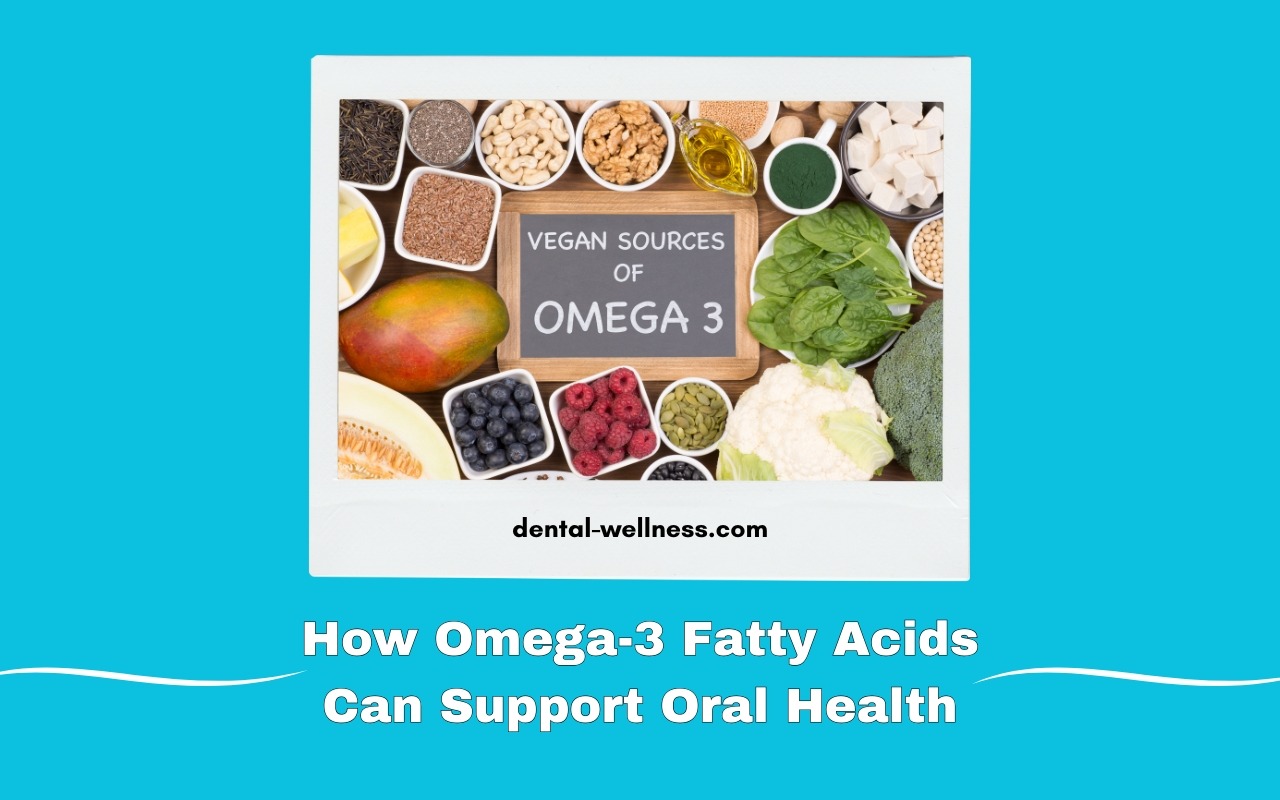
Incorporating omega-3 fatty acids into your diet can be achieved through various means. Fatty fish, such as salmon, sardines, and mackerel, are potent sources of EPA and DHA. Regular consumption of these fish can significantly boost your omega-3 intake. For those who prefer plant-based options, flaxseeds, chia seeds, and walnuts serve as excellent sources of ALA, which the body can convert into EPA and DHA.
For individuals who may have difficulty obtaining sufficient omega-3s through diet alone, supplements can offer a viable alternative. Fish oil supplements, when taken judiciously, can provide the necessary boost in omega-3 intake. However, it’s essential to consult with a healthcare provider before initiating any supplement regimen to ensure it aligns with individual health needs.
Strategies for Increasing Omega-3 Intake
To maximize the benefits of omega-3 fatty acids for oral health, consider the following dietary strategies:
- Incorporate Fatty Fish into Meals: Aim to consume fatty fish at least twice a week. Grilling, baking, or broiling with herbs and spices not only enhances flavor but also preserves omega-3 content.
- Snack on Nuts and Seeds: Include a variety of nuts and seeds in your diet. Walnuts, chia seeds, and flaxseeds can be added to smoothies, oatmeal, or salads for a nutritious boost.
- Explore Plant Oils: Use omega-3-rich oils like flaxseed oil in salad dressings or drizzle over cooked vegetables for added flavor and nutrition.
- Consider Supplements Wisely: If dietary sources are insufficient, omega-3 supplements can be useful. Look for high-quality products with a balanced EPA and DHA ratio.
- Stay Hydrated: Adequate hydration supports saliva production, further enhancing oral health.
Incorporating omega-3s into your diet not only promotes oral health but also contributes to overall wellness. As research continues to unveil the connections between dietary choices and health outcomes, integrating omega-3s offers a straightforward yet impactful strategy for enhancing dental care.
Conclusion: Embracing Omega-3s for Healthier Gums and Teeth
Omega-3 fatty acids represent a vital component of a holistic approach to oral health. By incorporating these nutrients into your dietary regimen, you can actively support gum health, promote healing, and potentially reduce the risk of periodontal disease. The anti-inflammatory properties of omega-3s not only benefit your gums but also contribute to the strength and resilience of your teeth and jawbone. As we strive for better health through informed dietary choices, omega-3 fatty acids stand out as a powerful ally in our efforts to maintain a healthy, vibrant smile. For deeper insights into how to optimize your oral health through nutrition, explore resources like KYT Dental Services and Parodontax. By understanding and harnessing the benefits of omega-3 fatty acids, we take a significant step towards achieving not only healthier gums and teeth but enhanced overall health and vitality.
Leave a Reply
You must be logged in to post a comment.