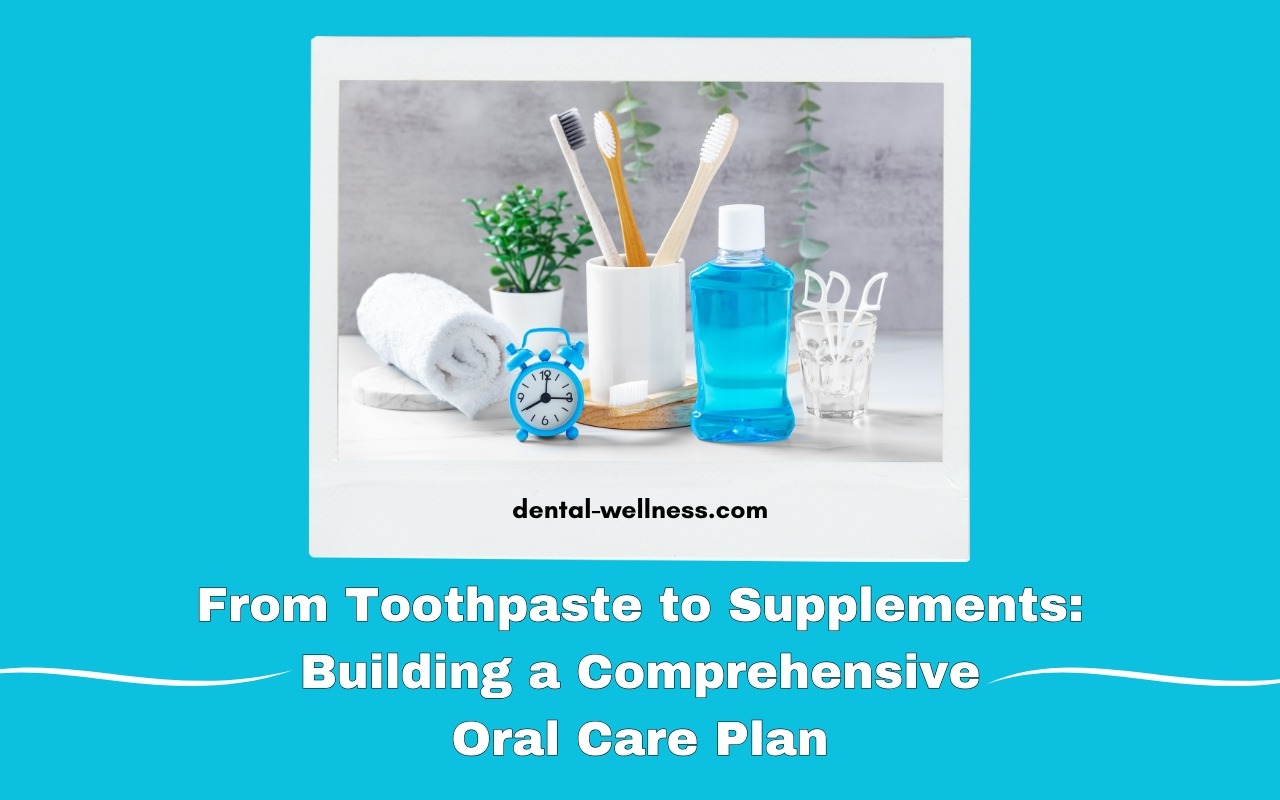
Maintaining oral health is often treated as a mundane task, relegated to simple brushing and flossing. However, oral care is a vital component of overall health. The mouth serves not only as the entry point for food but also as a gateway to the body's general wellness. Poor oral hygiene can lead to a host of problems, including gum disease, cavities, and other serious health issues such as cardiovascular disease and diabetes. Thus, creating a comprehensive oral care plan is essential for ensuring a healthy mouth and body. This article will guide you through the critical elements of an effective oral care regimen, ranging from the basics of toothpaste to the importance of supplements.
Understanding Oral Health
Before diving into a dental care plan, it is essential to comprehend what constitutes oral health. Oral health isn't merely the absence of cavities or gum disease; it encapsulates the overall well-being of the mouth, teeth, gums, and associated structures. A healthy mouth enables effective chewing, speech, and social interaction, all of which contribute to an individual's quality of life. Good oral health also reflects proper nutrition and personal hygiene, serving as a crucial indicator of physical health.
Research has demonstrated a strong connection between oral health and systemic health. Conditions such as diabetes, heart disease, and even Alzheimer's disease have been linked to poor oral hygiene. Bacteria from the mouth can enter the bloodstream, influencing other parts of the body. This symmetry highlights the importance of maintaining a well-rounded oral care regimen, which should incorporate daily practices, professional treatments, and nutritional considerations.
Step One: Daily Dental Hygiene
The cornerstone of any oral care plan is daily hygiene practices. Regular brushing and flossing form the first line of defense against the buildup of plaque and bacteria, which can cause tooth decay and gum disease. Brushing should be performed at least twice a day, ideally after meals, using a soft-bristled toothbrush and fluoride toothpaste.
Fluoride is an essential mineral that helps to strengthen tooth enamel and prevent decay. It works by remineralizing weakened enamel and reducing the ability of bacteria to produce acid. When selecting toothpaste, look for a product that has the American Dental Association (ADA) Seal of Acceptance, indicating that it meets the agency’s safety and efficacy standards. Focusing on proper technique is equally important; brushing in gentle, circular motions for at least two minutes can significantly enhance cleaning efficacy.
In addition to brushing, daily flossing is critical. Flossing removes food particles and plaque from between the teeth and along the gumline, areas that a toothbrush can't reach. Neglecting to floss can lead to the buildup of harmful bacteria, increasing the risk of gingivitis and gum disease. For those who find traditional floss challenging to use, alternatives such as interdental brushes or water flossers can offer effective solutions.
Step Two: The Role of Mouthwash
While brushing and flossing are paramount, mouthwash serves as an excellent adjunct. A good mouthwash can help reduce oral bacteria, freshen breath, and provide additional protection against cavities. Mouthwashes containing fluoride can also contribute to stronger enamel and overall dental health.
When choosing a mouthwash, consider one that is antibacterial and alcohol-free to minimize irritation. Some mouthwashes are specifically formulated to target conditions like dry mouth, which can be a side effect of medications or health conditions such as Sjögren's syndrome. Using mouthwash as part of your daily routine can help maintain a balanced oral biome, further protecting against cavities and gum disease.
Step Three: Regular Dental Check-ups
No oral care plan is complete without regular visits to the dentist. These check-ups allow for professional cleaning and early detection of problems that may not be visible to the untrained eye. Dentists can identify issues such as cavities, gum disease, early signs of oral cancer, and other conditions that could affect your overall health.
The American Dental Association recommends visiting the dentist every six months, although some individuals may require more frequent visits based on their dental health. Discuss any concerns with your dentist, who can recommend tailored protocols specific to your needs. Professional cleanings remove tartar and plaque that build up despite rigorous home care, making these appointments a crucial component of a comprehensive oral care plan.
Step Four: Nutrition and Oral Health
The foods you consume directly impact your oral health. A balanced diet rich in vitamins and minerals supports healthy teeth and gums. Foods high in calcium, such as dairy products, offer essential nutrients for maintaining strong tooth enamel. Vitamin D plays a critical role in calcium absorption, making it vital for oral health. Studies have shown that vitamin D deficiency can increase the risk of dental decay.
Vitamin C is another important nutrient for oral health as it is essential for the production of collagen, which helps maintain the structure of gums and connective tissues. A deficiency can lead to weakened gums and increase the likelihood of gum disease. Foods such as citrus fruits, strawberries, and bell peppers are excellent sources of vitamin C.
Incorporating crunchy fruits and vegetables into your diet also benefits oral health. Foods like apples, carrots, and celery can act as natural toothbrushes, helping to scrub teeth and promote saliva production. Saliva plays an essential role in neutralizing acids and remineralizing teeth, making hydrating with water throughout the day crucial.
Step Five: The Impact of Supplements
While a well-rounded diet is essential, certain supplements can also support oral health. For instance, calcium and vitamin D supplements can be beneficial for individuals who struggle to get enough from dietary sources. These supplements help fortify tooth enamel and maintain bone density, which is crucial for tooth stability.
Another important supplement is xylitol, a natural sugar alcohol found in many products. Xylitol has been shown to inhibit the growth of bacteria that cause cavities. Incorporating xylitol-based gums or mints into your routine can not only help protect against tooth decay but also freshen breath.
Additionally, probiotics have gained attention for their potential benefits in oral health. Probiotics are beneficial bacteria that can help maintain a balanced oral microbiome. Some studies suggest that certain strains of probiotics may help combat gum disease by reducing inflammation and harmful bacteria levels. Probiotic supplements or fermented foods such as yogurt and kimchi can be valuable additions to your diet.
Step Six: Avoiding Harmful Habits
To protect your oral health, it's equally important to avoid habits that can be detrimental. Tobacco use, whether through smoking or chewing, is one of the most significant contributors to oral health problems. It can lead to gum disease, tooth decay, and oral cancer. Quitting tobacco not only improves oral health but also enhances overall well-being.
Additionally, be mindful of your consumption of sugary and acidic foods. Sugar converts into acid in the mouth, which can erode tooth enamel and contribute to cavities. Acidic foods and drinks, such as soda and citrus juices, can also wear down enamel. While it is not necessary to eliminate these items entirely, moderation and proper oral hygiene practices afterwards can help mitigate their impact.
Step Seven: The Influence of Oral Health on General Well-being
The symbiotic relationship between oral health and overall health cannot be overstated. Research has shown that individuals with poor oral hygiene are at a higher risk for developing conditions such as cardiovascular disease, diabetes, and respiratory infections. Maintaining good oral hygiene can significantly reduce this risk.
Furthermore, oral health directly impacts mental health. Issues such as bad breath or tooth loss can affect self-esteem and social interactions. By fostering a healthy mouth, you cultivate a sense of confidence that can enhance both personal and professional relationships. Establishing a comprehensive oral care regimen can contribute to a better quality of life overall.
Conclusion: Your Path to Optimal Oral Health
Creating a comprehensive oral care plan involves a holistic approach that emphasizes daily hygiene, nutrition, proactive dental care, and overall well-being. By committing to a consistent routine of brushing, flossing, using mouthwash, and attending regular dental check-ups, you lay the foundation for a healthy mouth.
Incorporating essential vitamins and minerals into your diet, exploring beneficial supplements, and avoiding detrimental habits further enhance your oral health. As you invest in your oral care, remember that small, consistent efforts yield significant benefits over time. Your mouth is not just a gateway to nourishment; it reflects your overall health. By prioritizing your oral health, you are taking proactive steps toward a healthier, happier life.
Take charge of your dental journey today, and embrace the profound impact a comprehensive oral care plan can have on your overall health and happiness. For more information on maintaining your oral health, you can explore resources from the Mayo Clinic and Healthline.
Leave a Reply
You must be logged in to post a comment.