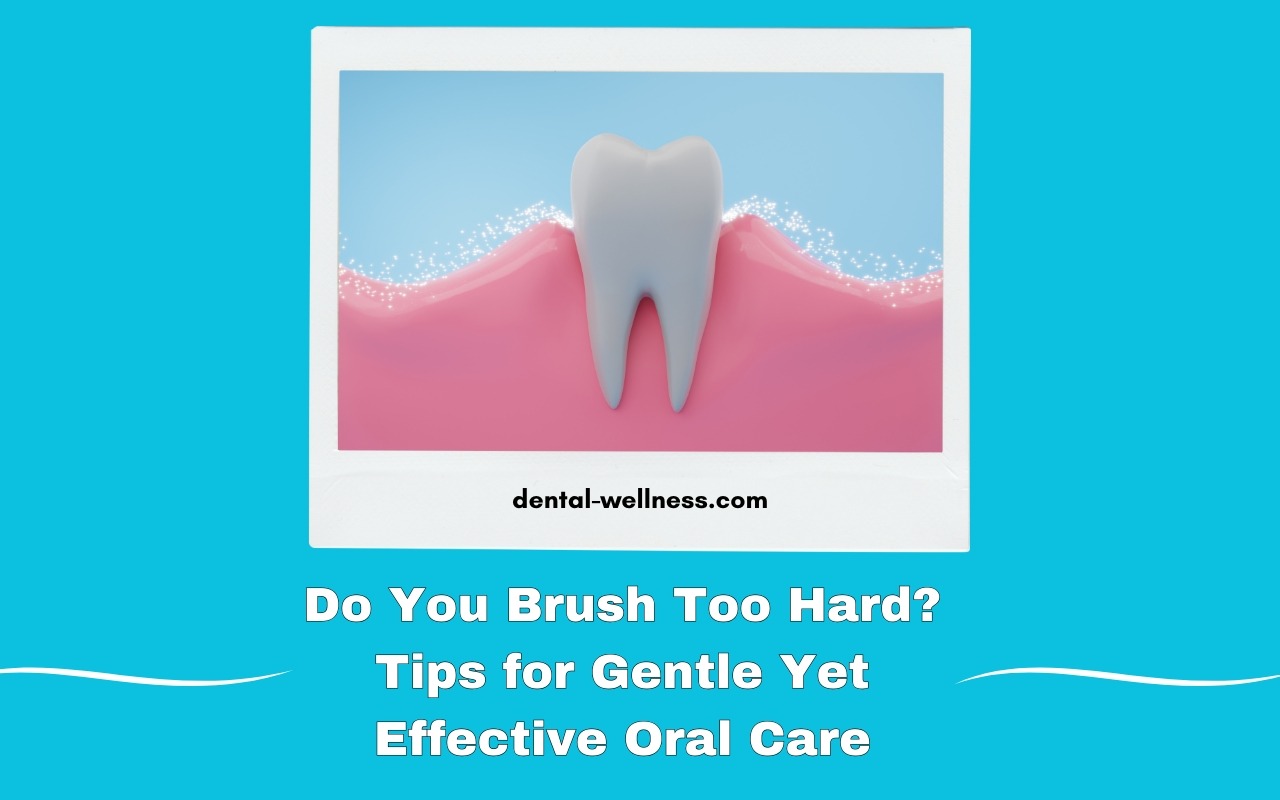
Maintaining optimal oral health is a cornerstone of overall well-being, and brushing your teeth is one of the fundamental practices to achieve this goal. However, many individuals overlook an essential aspect of tooth brushing: the pressure exerted during the process. The assumption that more pressure leads to a better clean is a common misconception that can lead to detrimental effects on both teeth and gums. This article will delve into the consequences of brushing too hard, ways to recognize improper techniques, and tips for achieving a gentle yet effective oral care routine.
Understanding the Dangers of Overaggressive Brushing
- Enamel Erosion: Tooth enamel, the protective outer layer of your teeth, is the hardest substance in your body. While it is robust, it is not impervious to damage. Over-time, aggressive brushing can chip away at enamel, leading to tooth sensitivity and an increased risk of cavities. Once enamel is worn away, it cannot regenerate, leaving your teeth vulnerable to decay and other issues.
- Gum Recession: The gums serve as a protective barrier for the roots of your teeth. When brushing is performed too forcefully, it can cause the gums to recede, exposing the roots. This not only makes your teeth more susceptible to decay but can also lead to significant discomfort and sensitivity when consuming hot, cold, or sweet foods. Gum recession is not only a cosmetic concern; it can lead to deeper dental problems that require professional intervention.
- Increased Sensitivity: Many individuals who brush too hard report heightened sensitivity in their teeth. This sensitivity can manifest as discomfort or pain when consuming various foods and beverages, affecting your quality of life. When the protective enamel is worn away and gums recede, the sensitive parts of the teeth become exposed, leading to further distress.
- Toothbrush Abrasion: Over time, excessive pressure can cause toothbrush bristles to become frayed or worn out much quicker than normal. If you find yourself replacing your toothbrush more frequently than every three to four months, it might be a sign that your brushing technique needs adjustment.
Recognizing these potential pitfalls is crucial for establishing an effective oral care routine that promotes long-term dental health. A gentle approach does not compromise cleanliness; rather, it enhances the overall effectiveness of your oral hygiene practices.
How to Recognize If You Are Brushing Too Hard
Determining if you are applying too much pressure while brushing can often be gauged through several indicators:
- Frayed Bristles: Examine your toothbrush regularly. If the bristles appear worn out or misshapen after a short period, it's likely you are brushing too hard. Ideally, toothbrush bristles should maintain their shape for several months, signaling that you are using the appropriate technique.
- Sore or Bleeding Gums: Healthy gums should not bleed during regular brushing. If you notice blood on your toothbrush or feel discomfort after brushing, it's an indication that your technique requires modification.
- Tooth Sensitivity: Pay attention to any sensitivity when engaging with temperature extremes or sugary foods. This sensitivity is often a symptom of damaged enamel or receding gums.
- Painful Experiences: If you find brushing to be a painful experience, it may be time to reassess your approach. Brushing should not cause discomfort; instead, it should feel refreshing and clean.
By being mindful of these signs, you can take proactive steps to enhance your oral care routine.
Recommended Brushing Techniques for Effective Oral Care
Implementing a proper brushing technique is vital for ensuring a thorough clean without causing harm. Here are some effective strategies:
- Choose the Right Toothbrush: Opt for a toothbrush with soft bristles. Contrary to popular belief, soft bristles are more effective at removing plaque without damaging the gums or enamel. Research indicates that soft-bristled brushes can remove plaque just as effectively as harder brushes, while being gentle on your mouth. Electric toothbrushes, particularly those with pressure sensors, can also help regulate brushing pressure and ensure effective cleaning.
- Brush at an Angle: Hold your toothbrush at a 45-degree angle to your gums. This positioning allows the bristles to reach the plaque that accumulates along the gum line, an often-overlooked area. Using this technique ensures that both your teeth and gums are being cared for adequately.
- Use Gentle Circular Motions: Instead of scrubbing back and forth, use small, gentle circular motions to clean your teeth. This approach minimizes the pressure applied to the gums and enamel while ensuring a thorough clean. Remember, brushing shouldn't feel like a chore; it should be a soothing ritual that maintains your dental health.
- Take Your Time: Allocate at least two minutes for brushing your teeth, taking care to spend an adequate amount of time on each quadrant of your mouth. Rushing can lead to incomplete cleaning and may encourage you to exert more force, potentially causing damage.
- Don’t Forget Your Tongue: The tongue can harbor bacteria that contribute to bad breath and oral health issues. Gently brush your tongue or use a tongue scraper at the end of your brushing routine to enhance overall mouth cleanliness.
- Avoid Rinsing Immediately: After brushing, resist the urge to rinse your mouth with water. Doing so washes away the fluoride from your toothpaste, which is crucial for strengthening enamel and protecting against cavities. Spitting out the excess toothpaste while allowing the fluoride to remain on your teeth is the best practice.
By incorporating these techniques into your daily oral care routine, you can significantly improve your dental health while avoiding the damaging effects of aggressive brushing.
The Role of Diet in Dental Health
Oral care extends beyond just brushing and flossing; diet plays a critical role in maintaining dental health. Consuming a balanced diet rich in vitamins and minerals can help protect your teeth and gums and contribute to their overall health. Key components to consider include:
- Calcium and Vitamin D: Both are essential for maintaining strong teeth and bones. Dairy products, leafy greens, and fortified foods are excellent sources. Adequate calcium intake helps protect against tooth decay and gum disease.
- Phosphorus: This mineral works in tandem with calcium to strengthen enamel. Foods such as meat, fish, and nuts are good sources of phosphorus that can support your dental health.
- Vitamin C: This vitamin is vital for gum health. It helps repair tissue and combats inflammation, contributing to healthy gums. Citrus fruits, strawberries, and bell peppers are rich sources of vitamin C.
- Hydration: Water is essential for maintaining saliva production, which is your body’s natural defense against cavities and gum disease. Drinking plenty of water helps wash away food particles and supports overall oral health.
Choosing nutritious foods can have a profound impact on your smile, making it an essential aspect of your oral health regime.
The Importance of Regular Dental Check-Ups
While maintaining a proper brushing technique and a balanced diet is crucial, regular dental check-ups are equally essential. Visiting your dentist at least twice a year allows for professional cleanings and examinations that can help identify potential issues before they escalate into more significant problems. Dentists can provide personalized recommendations tailored to your unique dental situation, ensuring you maintain optimal oral health.
During these check-ups, your dentist can:
- Identify Early Signs of Oral Disease: Regular assessments can catch issues like gum disease, tooth decay, and enamel erosion early, allowing for timely intervention.
- Professional Cleanings: Even with diligent home care, certain areas may be challenging to clean thoroughly. Dental hygienists utilize professional tools to remove plaque and tartar that may have built up, reducing your risk of cavities and gum disease.
- Offer Customized Advice: Your dentist can provide tailored recommendations for your brushing and flossing techniques, as well as dietary suggestions that are specifically beneficial for your oral health.
Incorporating routine dental visits into your oral care routine ensures that you are maximizing your efforts at home while also benefitting from professional guidance.
Conclusion
Embracing a gentle yet effective oral care routine is paramount for maintaining a healthy smile throughout your life. By recognizing the signs of brushing too hard, employing the correct techniques, making smarter dietary choices, and maintaining regular dental check-ups, you can significantly enhance your oral health. Remember that gentle brushing is effective brushing – it does not require excessive pressure to achieve a clean mouth.
Take charge of your oral hygiene today, and let your smile reflect the care and dedication you invest in it. When you brush with intention and mindfulness, you not only care for your teeth but also invest in your overall health and well-being. For further reading and resources on maintaining optimal oral health, consider visiting Waterbury Smiles and Longmont Dental Loft. These platforms offer valuable insights into effective brushing techniques and comprehensive dental care strategies. Engage with your oral health today, and enjoy the benefits of a radiant smile!
Leave a Reply
You must be logged in to post a comment.