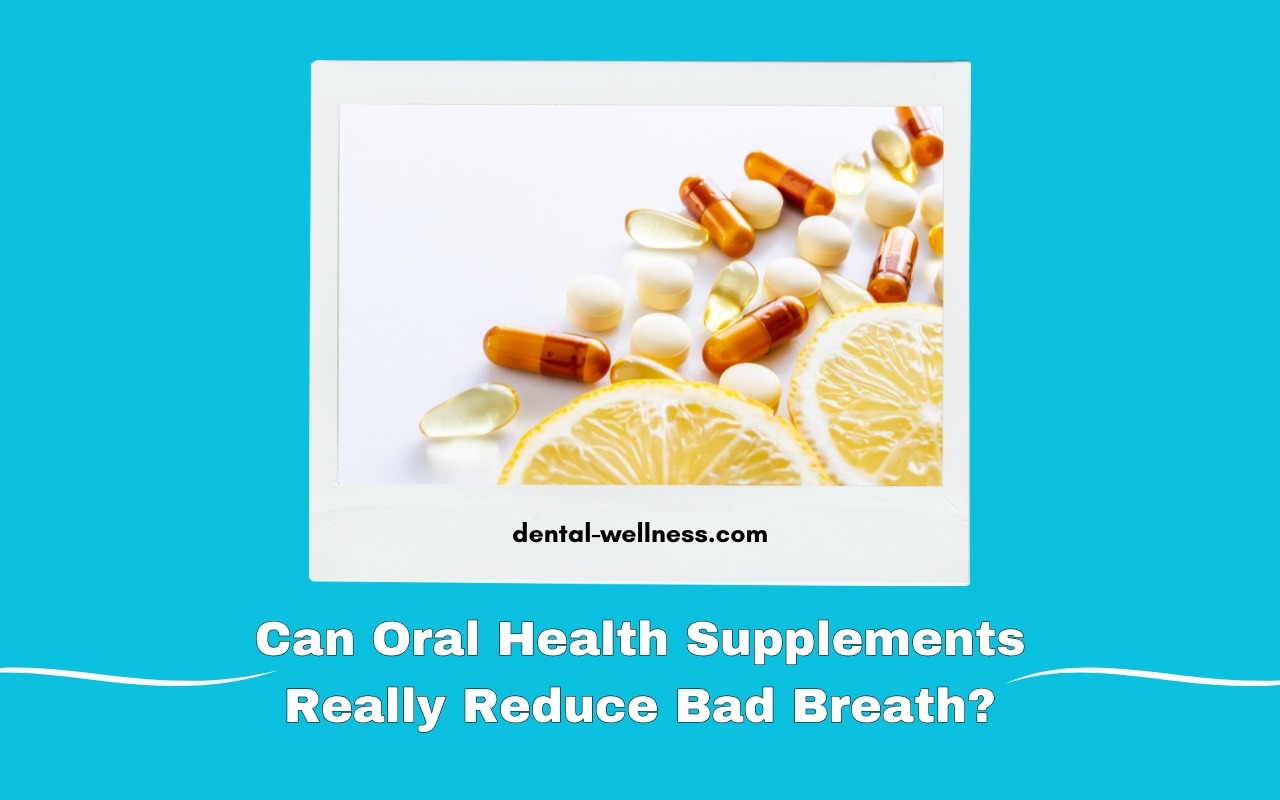
Bad breath, clinically known as halitosis, is a common issue that affects individuals across all demographics. This condition can lead to embarrassment and decreased confidence, often stemming from various dental, dietary, and health-related causes. As people strive for fresh breath, many turn to oral health supplements as a potential solution. But do these supplements truly help reduce bad breath? This article delves into the relationship between oral health supplements and halitosis, exploring their effectiveness, the underlying causes of bad breath, and practical steps for maintaining optimal oral hygiene.
Understanding Bad Breath
To appreciate how oral health supplements might assist in managing bad breath, it is essential to understand the root causes. Bad breath is primarily the result of the buildup of bacteria in the mouth. These bacteria feed on food particles, producing volatile sulfur compounds (VSCs) that emit foul odors. Poor oral hygiene practices, such as inadequate brushing and flossing, allow for plaque and food debris to accumulate, exacerbating the problem. Additionally, conditions such as dry mouth, gum disease, and certain dietary choices can significantly contribute to halitosis.
Dry mouth, or xerostomia, occurs when there is insufficient saliva to keep the mouth moist. Saliva plays a crucial role in washing away food particles and neutralizing acids produced by bacteria. Factors that can lead to dry mouth include medications, smoking, and certain health conditions. When the mouth becomes dry, bacteria thrive, resulting in unpleasant breath. Similarly, foods high in protein, sulfur-containing compounds—like garlic and onions—and sugars can also lead to bad breath.
Chronic bad breath may also indicate more serious health issues, such as sinus infections, lung diseases, or gastrointestinal disorders. Understanding the various causes of halitosis is crucial for effective treatment and prevention.
The Role of Oral Health Supplements
Oral health supplements, which include probiotics, zinc-based products, and other vitamins and minerals, are designed to promote overall dental hygiene. Among their many benefits, some claims suggest that they can help mitigate bad breath. Probiotics, for instance, are live microorganisms that can confer health benefits when consumed in adequate amounts. While they are most commonly associated with gut health, emerging research indicates that specific strains of probiotics may also positively affect oral health by inhibiting the growth of harmful bacteria in the mouth.
When incorporated into one’s daily routine, probiotics can help restore a healthier balance of oral microbiota. A balanced microbial environment is essential for preventing the overgrowth of bacteria that contribute to bad breath. Research shows that strains such as Lactobacillus reuteri can significantly reduce the levels of oral pathogens, leading to fresher breath and improved overall dental hygiene.
Zinc is another significant player in the fight against halitosis. It works by neutralizing sulfur compounds and inhibiting the growth of bacteria responsible for bad breath. Zinc supplements, mouthwashes, and other oral care products containing this mineral can be effective in reducing halitosis. Some studies have demonstrated that zinc can help lower the concentration of VSCs in the mouth, which directly correlates with improved breath freshness.
Furthermore, other nutrients that play a role in maintaining oral health include vitamins C and D, calcium, and folic acid. Vitamin C, for instance, is essential for gum health and can reduce inflammation associated with gum disease, a common contributor to bad breath. Vitamin D is vital for calcium absorption and supports overall tooth health, while folic acid can help manage gum disease as well.
Evaluating the Effectiveness of Oral Health Supplements
While there is a range of supplements available that claim to combat bad breath, evaluating their true effectiveness requires understanding individual needs and the science behind their claims. For instance, not all probiotics are created equal. It is important to choose strains that have been clinically studied for their effects on oral health. Similarly, the dosage and form of zinc products can affect their efficacy.
Consumers should look for products supported by scientific research and free from artificial ingredients or excessive sugar, which can counteract their benefits. For instance, sugar-free gum containing xylitol is a popular choice, as xylitol has been shown to inhibit the growth of cavity-causing bacteria while promoting saliva production.
Another consideration is the importance of combining supplements with good oral hygiene practices. Supplements alone cannot replace proper brushing, flossing, and regular dental checkups. For those experiencing persistent bad breath, it is crucial to consult with a dental professional to identify any underlying conditions that may require more targeted treatment.
Practical Steps for Managing Bad Breath
In addition to considering oral health supplements, individuals can adopt several practical measures to effectively manage bad breath. Maintaining a comprehensive oral hygiene routine is paramount. This includes brushing teeth at least twice a day with fluoride toothpaste, flossing daily to remove food particles and plaque between teeth, and using a tongue scraper to clean the surface of the tongue where bacteria tend to accumulate.
Staying hydrated is also essential in combating dry mouth. Drinking plenty of water throughout the day helps wash away food particles, promotes saliva production, and maintains an overall healthy oral environment. Avoiding tobacco products is crucial, as smoking not only contributes to bad breath but also increases the risk of gum disease.
Dietary choices play a significant role as well. Reducing the intake of sugary snacks and beverages can help minimize plaque buildup, while incorporating crunchy fruits and vegetables can aid in naturally cleaning teeth and freshening breath. Foods rich in chlorophyll, such as parsley and mint, are known for their breath-freshening properties and can easily be integrated into meals or enjoyed as snacks.
Regular dental checkups and professional cleanings are vital for detecting and addressing any oral health issues before they become serious problems. Dentists can provide personalized advice, recommend suitable supplements, and perform necessary treatments to help maintain optimal oral health.
Conclusion
The journey to fresh breath is multi-faceted and requires a combination of good oral hygiene practices, dietary adjustments, and possibly the inclusion of oral health supplements. While supplements such as probiotics and zinc can potentially aid in reducing bad breath by promoting a healthier oral microbiome and neutralizing odor-causing bacteria, they should not be viewed as standalone solutions. Instead, they are most effective when integrated into a comprehensive oral care routine.
As research evolves, the understanding of how oral health supplements contribute to fresh breath will continue to grow. In the meantime, individuals troubled by bad breath should consider the multifactorial nature of the issue, take proactive steps in their oral hygiene practices, and consult dental professionals when necessary. By doing so, they can embark on a path toward lasting confidence and oral health.
For more information on maintaining fresh breath and understanding the role of oral health supplements, consider visiting resources such as Mayo Clinic and Enriching Your Smile.
Leave a Reply
You must be logged in to post a comment.