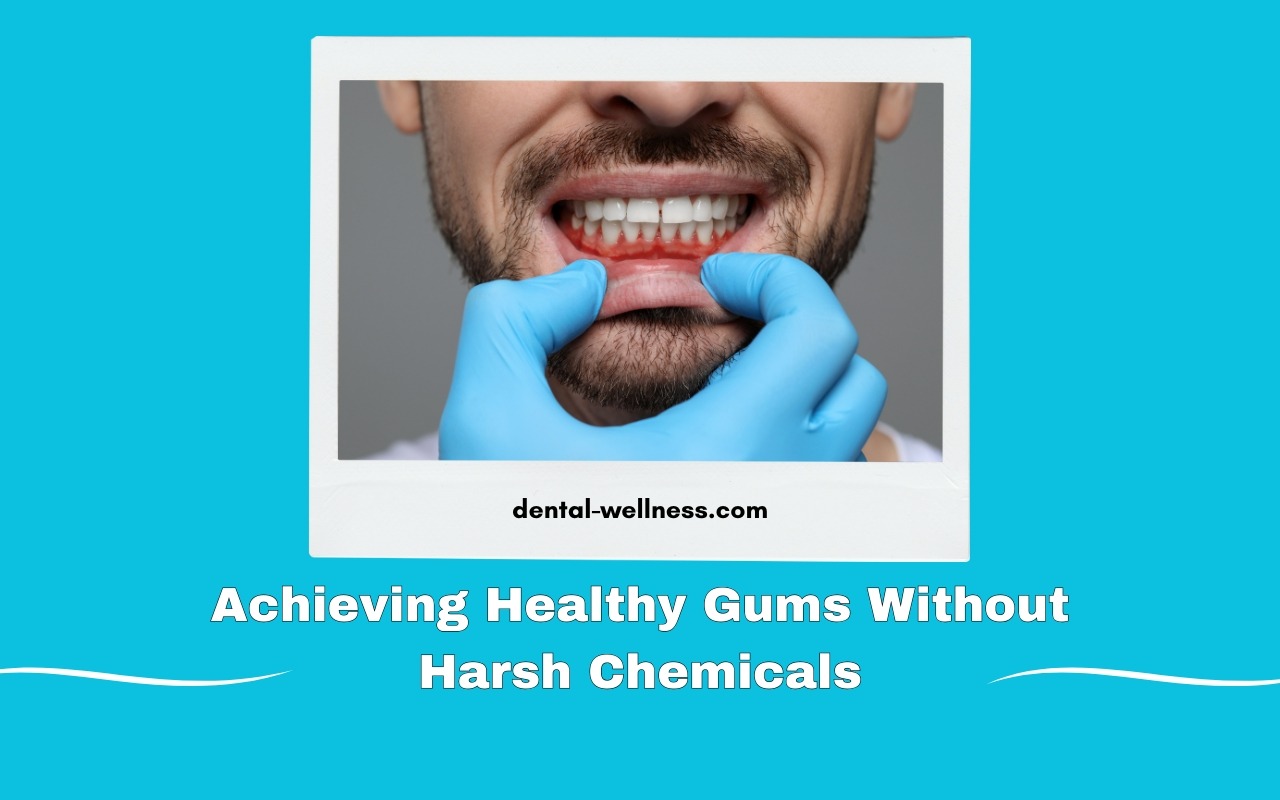
Maintaining healthy gums is essential not only for a beautiful smile but also for overall oral health. The health of the gums plays a crucial role in preventing gum disease, which can lead to more severe dental problems and other health issues if left untreated. While many people rely on commercial dental products loaded with chemicals, there is a growing trend towards adopting natural and holistic approaches to gum care. This article explores various natural methods to achieve and maintain healthy gums without the use of harsh chemicals, focusing on practical strategies that anyone can implement.
Understanding Gum Health
Before delving into natural remedies, it's important to understand the significance of gum health. The gums are the soft tissues that surround and support the teeth, acting as protective barriers against bacteria and infections. Healthy gums are typically pink, firm, and do not bleed during brushing or flossing. When the gums become inflamed, a condition known as gingivitis occurs, often characterized by redness, swelling, and bleeding. If gingivitis is not treated, it can progress to periodontitis, a more severe form of gum disease that can lead to tooth loss and other serious health complications.
Maintaining gum health requires a multi-faceted approach that encompasses proper oral hygiene, a balanced diet, and lifestyle modifications. Fortunately, many of these practices can be achieved with natural remedies that are safer and gentler than harsh chemical products.
The Role of Oral Hygiene
Good oral hygiene is the cornerstone of maintaining healthy gums. Daily brushing and flossing are imperative for removing plaque, the sticky film of bacteria that forms on the teeth and gums. When left unchecked, plaque hardens into tartar, which can only be removed by a dental professional. This emphasizes the importance of regularly cleaning the teeth and gums to prevent the onset of gum disease.
Using a soft-bristled toothbrush can help protect the gums while effectively cleaning the teeth. Experts recommend brushing twice a day for at least two minutes, focusing on all areas of the mouth, including the gum line. To enhance gum health, consider using fluoride-free toothpaste that includes natural ingredients, such as baking soda or coconut oil, known for their plaque-fighting properties.
Natural Toothpaste Options
Fluoride has been deemed a controversial ingredient. While it is effective at preventing cavities, some individuals prefer to avoid it due to concerns about potential health risks. Natural alternatives to fluoride toothpaste can be just as effective when combined with proper oral hygiene practices.
Many people are turning to simple ingredients that have been shown to promote oral health. Baking soda, for example, is a natural abrasive that helps remove surface stains and neutralizes acids in the mouth. Additionally, coconut oil has gained popularity for its antimicrobial properties. Used in oil pulling, it can help reduce harmful bacteria, plaque, and inflammation in the gums. These natural remedies not only clean the teeth but also foster a toxin-free mouth, providing peace of mind to those looking to maintain their health without the use of harsh chemicals.
The Benefits of Dietary Choices
Diet plays a crucial role in the health of your gums. A balanced diet should encompass a variety of nutrients that support gum tissue integrity and function. Foods that are high in vitamin C, such as oranges, strawberries, and bell peppers, are particularly beneficial for gum health. Vitamin C is essential for collagen production, which helps keep gums strong and resilient. It also has anti-inflammatory properties that can combat gum inflammation.
Incorporating fruits and vegetables into your diet can also provide the fiber necessary for healthy gums. Fibrous foods like apples, carrots, and celery act as nature’s toothbrushes, helping to scrub the teeth and stimulate gum tissue while reducing the risk of plaque buildup. Additionally, foods rich in omega-3 fatty acids, such as salmon and flaxseeds, have anti-inflammatory effects that can help reduce gum disease symptoms.
It's equally important to limit the intake of sugary foods and drinks, which can contribute to the development of plaque and gum disease. Bacteria in the mouth thrive on sugar, creating acids that erode enamel and inflame gums, leading to potential issues. Instead, focus on hydrating with water, which helps flush away food particles and bacteria, keeping the mouth cleaner and fresher.
Integrating Herbal Remedies
Herbal remedies have been utilized for centuries for their health benefits, and many can be particularly effective in promoting gum health. Some notable herbs include:
- Aloe Vera: Known for its soothing properties, aloe vera can be applied directly to inflamed gums to reduce inflammation and support healing. Its antibacterial properties also help combat harmful bacteria that cause gum disease.
- Tea Tree Oil: This essential oil possesses strong antimicrobial and anti-inflammatory properties. Diluting a few drops in water and using it as a mouth rinse can help reduce plaque and soothe irritated gums.
- Green Tea: Rich in antioxidants, particularly catechins, green tea can combat inflammation and bacteria linked to gum disease. Drinking green tea regularly or using it as a mouthwash can promote healthier gums.
Incorporating these herbal remedies into your oral care routine can provide added support for gum health. These natural options not only improve oral hygiene but also offer a gentler alternative to traditional chemical-based products.
Saltwater Rinses
Saltwater rinses are a time-tested home remedy with numerous benefits for oral health. The saline solution can help reduce bacteria in the mouth, soothe inflamed gums, and promote healing. To use this remedy, simply dissolve a teaspoon of salt in a glass of warm water and swish it around your mouth for about 30 seconds before spitting it out. This practice can be particularly helpful after dental procedures or when experiencing gum discomfort.
While saltwater rinses can provide temporary relief and support gum health, they should not replace regular dental care. If symptoms persist or worsen, it is essential to consult a dentist for a thorough evaluation and treatment plan.
Regular Dental Check-Ups
Even with the best at-home care, regular dental check-ups are crucial for maintaining healthy gums. Professional cleanings remove tartar and plaque that regular brushing and flossing may miss. Dentists and dental hygienists can identify early signs of gum disease, allowing for timely intervention and treatment.
Most dentists recommend visits every six months for comprehensive evaluations and cleanings. During these appointments, dentists can also provide personalized advice on improvement areas and recommend suitable products that align with your desire for a chemical-free oral care routine.
Quitting Smoking and Stress Management
Smoking is a significant risk factor for developing gum disease. It weakens the immune system, making it harder for the body to fight off infections in the gums. Additionally, smoking impedes blood flow to the gums, delaying healing and increasing inflammation. Quitting smoking can significantly improve gum health and overall oral hygiene.
Managing stress is equally vital, as high levels of stress can lead to increased inflammation throughout the body, including the gums. Stress can also lead to neglecting oral hygiene practices, further exacerbating potential dental issues. Engaging in stress-reducing activities, such as yoga, meditation, or exercise, can promote better gum health by allowing for more focused and consistent care.
The Importance of Proper Brushing and Flossing Techniques
To maximize the benefits of your oral hygiene routine, proper brushing and flossing techniques are essential. When brushing, hold the toothbrush at a 45-degree angle to your gums. Use gentle circular motions rather than harsh back-and-forth strokes to protect the gum tissue from damage.
Flossing is equally important, as it removes plaque and food particles from between the teeth and along the gum line, where a toothbrush struggles to reach. Floss daily, gently sliding it between each tooth and curving it along the gum line to ensure thorough cleaning. If traditional floss is challenging to handle, consider using interdental brushes or floss picks, which can make the process easier and more effective.
Leveraging Technology for Oral Care
In the modern era, technology has made significant strides in dental care. Electric toothbrushes, for instance, can offer a more thorough cleaning compared to manual brushing. Many models come equipped with timers to ensure adequate brushing time and pressure sensors to prevent excessive force on the gums.
Additionally, water flossers provide an effective alternative to traditional flossing. These devices use a focused stream of pulsating water to remove debris and plaque from between teeth and below the gum line, making them ideal for individuals with sensitive gums or dental work.
While technology can enhance your oral care routine, the basics of brushing, flossing, and conscientious care remain fundamental to achieving healthy gums without resorting to harsh chemicals.
Creating a Comprehensive Oral Care Routine
Developing a comprehensive oral care routine tailored to your needs can contribute significantly to maintaining gum health. Incorporate regular brushing with fluoride-free toothpaste, daily flossing, and mouth rinses using natural ingredients. Incorporate herbal remedies and dietary adjustments that support gum health, and ensure to schedule regular dental check-ups.
A holistic approach involves understanding your body and responding proactively to its needs. It is essential to listen to how your body reacts to different treatments and make adjustments as necessary. This mindfulness can help you stay motivated and engaged in your oral care practices.
Conclusion
Achieving and maintaining healthy gums without harsh chemicals is a feasible and rewarding endeavor. By being mindful of your oral hygiene practices, dietary choices, and lifestyle habits, you can foster a healthier mouth and improve your overall well-being. Embrace the power of natural remedies and holistic approaches, allowing yourself to experience the benefits of a chemical-free oral care regimen.
The journey to healthier gums starts with small, consistent changes that can lead to significant health improvements. With commitment and the right strategies, you can enjoy a beautiful smile, free from the harsh effects of chemicals, while feeling empowered in your choice of natural oral care methods.
For more information on maintaining gum health and exploring natural remedies, consider reading more about home remedies for gum disease or the benefits of proper brushing techniques.
Leave a Reply
You must be logged in to post a comment.