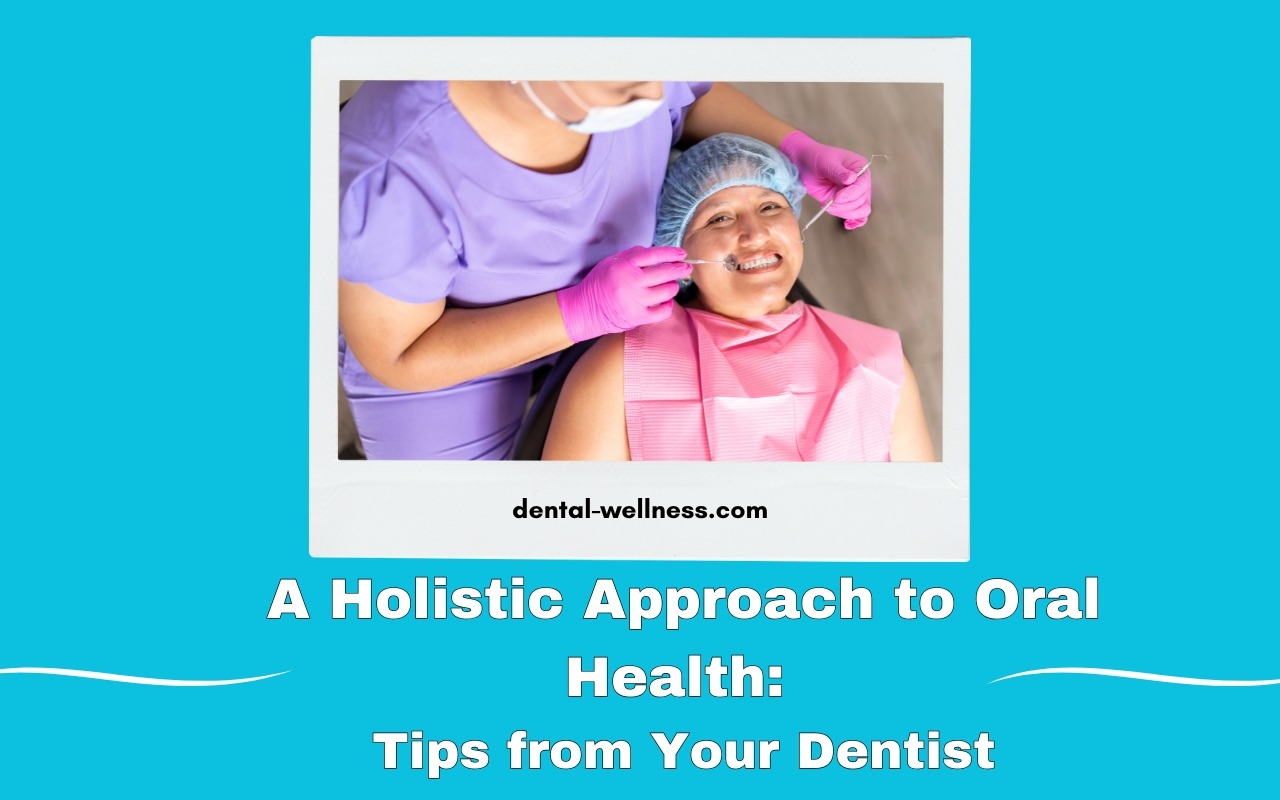
 Oral health is often perceived as a narrow concern, focused merely on achieving a bright smile or avoiding cavities. However, this perspective overlooks the profound connections between oral health and overall well-being. A holistic approach to oral health recognizes that the mouth is not an isolated entity but a gateway to the entire body. By adopting a comprehensive view that integrates dental care with overall health, individuals can enhance both their oral and general wellness. This article aims to provide valuable insights into achieving optimal oral health through holistic practices, drawing from the principles of holistic dentistry.
Understanding Holistic Dentistry
Holistic dentistry, also referred to as biological or integrative dentistry, emphasizes the interconnectedness of oral health with systemic health. It operates on the premise that dental issues can have far-reaching effects beyond the mouth, influencing physical, mental, and emotional well-being. Traditional dentistry often focuses on specific dental problems, such as cavities or gum disease, treating them in isolation. Holistic dentistry, on the other hand, seeks to address the root causes of these issues while considering the patient's overall health.
In holistic dental care, the materials used in treatments are chosen for their biocompatibility, minimizing exposure to harmful substances. For example, instead of using mercury amalgam for fillings, holistic dentists prefer composite resins or ceramics, which are less likely to induce adverse reactions in the body. This approach not only promotes dental health but also supports the body’s overall healing processes.
The Mouth-Body Connection
The mouth serves as a critical entry point to the body, and its health can significantly impact various systemic conditions. Poor oral hygiene can lead to the proliferation of harmful bacteria, which may enter the bloodstream and contribute to inflammatory processes elsewhere in the body. Research has established strong links between periodontal disease and serious health issues, including heart disease, diabetes, and respiratory infections. For instance, gum disease has been associated with an increased risk of heart problems, highlighting the importance of maintaining oral health as a preventive measure against systemic diseases.
Understanding this connection empowers individuals to take proactive steps in managing their oral health. Regular dental checkups, proper oral hygiene practices, and a balanced diet can help mitigate risks and promote overall health. Moreover, a holistic approach encourages individuals to recognize their role in maintaining their well-being through informed choices regarding their dental care.
Preventive Care: The Foundation of Holistic Dentistry
One of the cornerstones of holistic dentistry is preventive care. This proactive approach emphasizes the importance of regular dental visits, routine cleanings, and patient education. Unlike traditional dental practices, which often react to problems after they arise, holistic practitioners focus on preventing issues from developing in the first place.
Patients are encouraged to adopt a rigorous oral hygiene regimen that includes brushing at least twice a day, flossing daily, and using natural mouth rinses. These practices not only keep the teeth and gums healthy but also promote a balanced oral environment. Holistic dentists often advocate for natural toothpaste options that contain fewer harmful chemicals, supporting both oral health and overall well-being.
Education is a vital component of preventive care. Holistic dentists work closely with patients to provide information about oral health, the significance of nutrition in maintaining strong teeth and gums, and the impact of lifestyle choices on dental health. Understanding the connection between diet and oral health is essential; foods rich in vitamins and minerals play a crucial role in sustaining healthy teeth and gums.
Nutrition: A Vital Element of Oral Health
The importance of nutrition in maintaining oral health cannot be overstated. What we consume has a direct impact on the health of our teeth and gums. A balanced diet rich in essential nutrients like calcium, vitamin D, and phosphorus supports strong enamel and healthy bone structure. Incorporating foods such as leafy greens, dairy products, nuts, and fish can significantly boost oral health.
Moreover, certain foods possess properties that can help combat bacteria and inflammation in the mouth. Green tea, for instance, is rich in antioxidants and has been shown to reduce the growth of bacteria that cause cavities and gum disease. Likewise, crunchy fruits and vegetables, like apples and carrots, can act as natural toothbrushes, helping to remove plaque while stimulating saliva production, which is essential for oral health.
Conversely, a diet high in sugar and processed foods can have detrimental effects on oral health. Sugar feeds the harmful bacteria present in the mouth, leading to plaque buildup, cavities, and gum disease. By reducing sugar intake and choosing whole, unprocessed foods, individuals can create an environment that supports oral health and overall wellness.
Stress Management: Its Role in Oral Health
The impact of stress on dental health is an often-overlooked aspect of holistic care. High stress levels can lead to a range of oral health issues, including teeth grinding, jaw clenching, and gum disease. These conditions not only affect the teeth and gums but can also cause pain and discomfort, leading to further stress and a detrimental cycle.
Incorporating stress management techniques into daily routines can significantly benefit oral health. Mindfulness practices, such as meditation and yoga, can help reduce stress and promote relaxation. These techniques cultivate a sense of calm that can mitigate physical symptoms exacerbated by stress. Additionally, regular physical activity is a powerful stress reliever, which also contributes to better overall health.
Dentists practicing holistic care may integrate relaxation techniques into their practice, helping patients feel more comfortable during visits. This approach can include creating a calming environment in the dental office, using soothing music, and providing comfortable amenities. These practices contribute to a more positive dental experience, encouraging individuals to prioritize their oral health.
The Importance of Biocompatible Materials
A significant aspect of holistic dentistry is the use of biocompatible materials in dental treatments. Traditional dental practices often utilize materials that contain potentially harmful substances, such as mercury in amalgam fillings. Holistic dentists prioritize alternatives that are safer for the body, reducing exposure to toxins and minimizing the risk of adverse reactions.
For instance, composite resins and ceramic materials are commonly used in holistic practices due to their aesthetic appeal and compatibility with the body. These materials not only provide effective solutions for dental problems but also align with the overarching principles of holistic care that emphasize health and well-being. Moreover, the appropriate removal of amalgam fillings is essential for reducing mercury exposure and promoting patient safety.
Patients are encouraged to discuss the materials used in their treatments with their holistic dentist. Understanding the implications of different materials empowers individuals to make informed decisions that support their health.
The Role of Emotional Well-Being
Holistic dentistry recognizes that emotional well-being is intrinsically linked to overall health. Oral health issues can lead to discomfort, pain, and self-esteem challenges, which can have profound effects on emotional health. Conversely, emotional distress can manifest physically through habits like teeth grinding or poor oral hygiene practices.
Holistic approaches often emphasize the importance of addressing emotional health as part of comprehensive dental care. Dentists may provide resources or referrals for mental health support, recognizing that emotional stability contributes to better health outcomes. Creating a compassionate and understanding environment in the dental office fosters trust and encourages open dialogue about any concerns patients may have regarding their oral health.
Moreover, supporting emotional well-being can help patients engage more positively in their dental care, leading to better adherence to treatment plans and improved oral health outcomes. A holistic approach aims to cultivate a sense of empowerment in patients, enabling them to take an active role in their health.
Choosing a Holistic Dentist
Selecting the right dentist is a crucial step in adopting a holistic approach to oral health. When seeking a holistic dentist, individuals should consider their qualifications, experience, and treatment philosophy. Researching online reviews and testimonials can provide insights into a dentist's practice and patient satisfaction.
During the initial consultation, prospective patients should feel comfortable asking questions about the dentist's approach to care, including their use of materials, treatment methods, and how they incorporate overall health into dental practices. A trustworthy holistic dentist will be open to discussing these topics and will prioritize patient education and empowerment.
It is also beneficial to visit the dental office to assess the environment and comfort levels. A holistic dental practice often emphasizes patient comfort and well-being through thoughtful design and amenities, fostering a welcoming atmosphere.
Building a Holistic Oral Health Routine
Creating a personalized holistic oral health routine involves integrating various practices that align with the principles of holistic care. Here are some tips to consider:
- Daily Oral Hygiene: Maintain a consistent routine of brushing and flossing. Use natural toothpaste and mouth rinses to minimize toxic exposure. Pay attention to technique to ensure effective cleaning.
- Balanced Diet: Incorporate nutrient-dense foods that support oral health. Focus on whole foods, including fruits, vegetables, lean proteins, and healthy fats. Minimize sugar and processed foods to protect against cavities.
- Regular Dental Checkups: Schedule routine visits to your holistic dentist. These appointments are essential for preventive care and early detection of potential issues.
- Stress Management: Implement stress-reducing techniques such as mindfulness, yoga, and deep-breathing exercises. Engage in physical activity to enhance overall well-being.
- Stay Informed: Educate yourself about the connections between oral health and systemic health. Make informed decisions regarding treatments and materials used by your dentist.
- Embrace Emotional Wellness: Recognize the importance of emotional health. Seek support from professionals if needed and create a positive dental experience by communicating openly with your dentist about any concerns.
Conclusion
A holistic approach to oral health transcends the realm of conventional dentistry by integrating the physical, emotional, and nutritional aspects of health. By recognizing the interconnectedness of oral health with overall well-being, individuals can take proactive steps toward achieving optimal health. Emphasizing preventive care, biocompatible materials, stress management, and balanced nutrition creates a comprehensive framework for maintaining healthy teeth and gums.
Incorporating holistic principles into daily routines can empower individuals to make informed choices that support their overall well-being. By prioritizing oral health, you not only safeguard your smile but also enhance your overall quality of life. Embrace a holistic approach today, and embark on a journey toward a healthier, happier you.
For more resources on holistic dental care and its benefits, consider visiting the following websites: Assure a Smile, Maple Dental Health, and Seattle Dental Care. These resources provide further insights into the importance of holistic dental practices and how they can improve your overall health.
Leave a Reply
You must be logged in to post a comment.